Epoxy Tooling
Stone Adhesives — Epoxy & Polyester
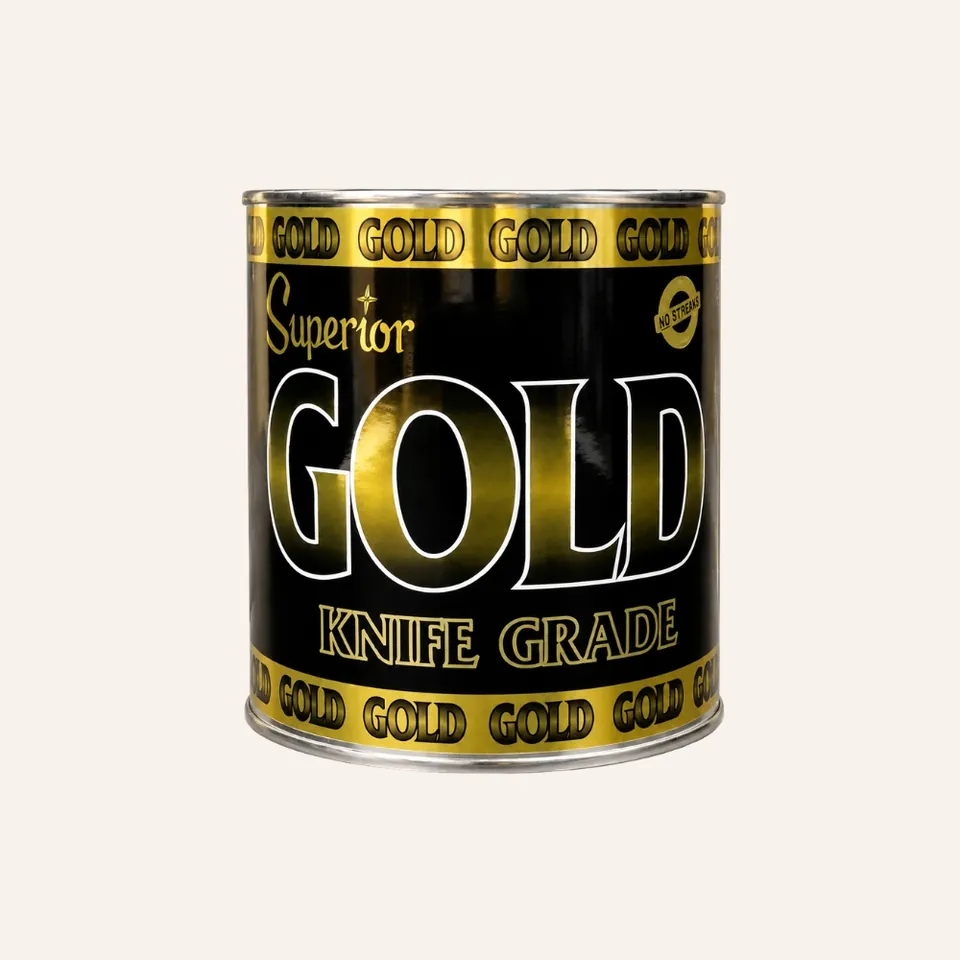
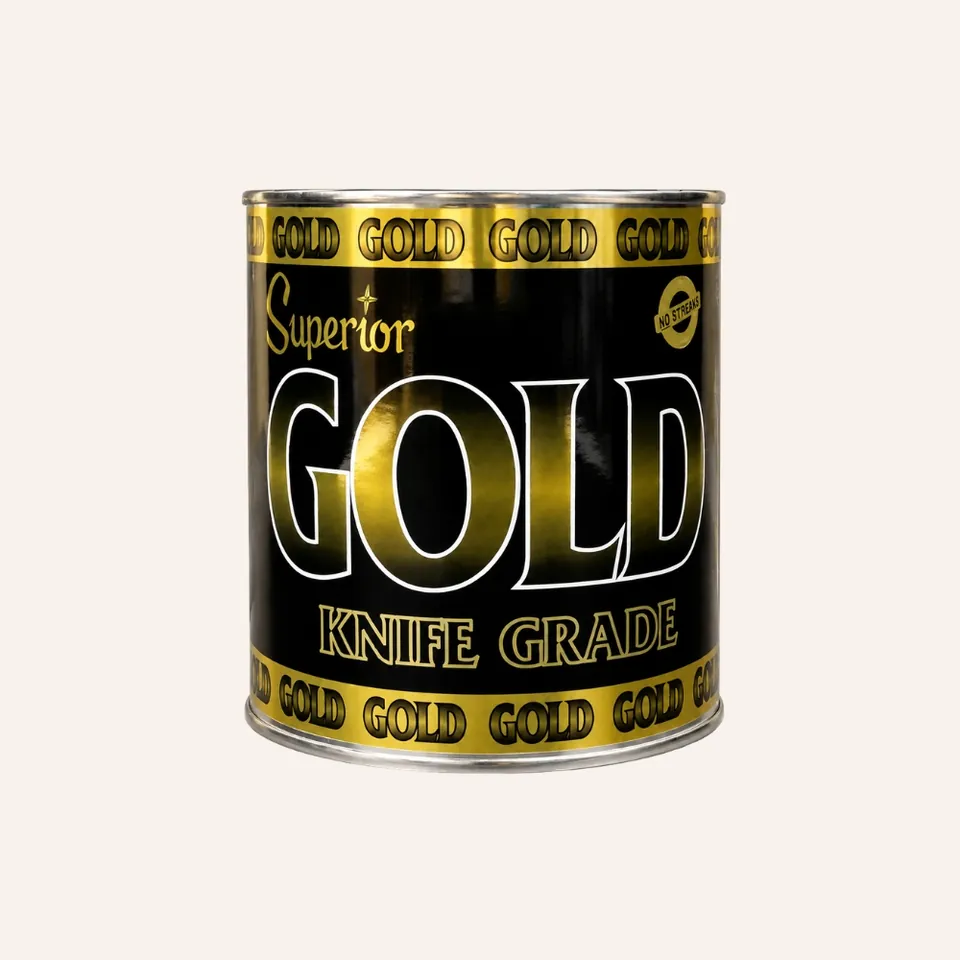
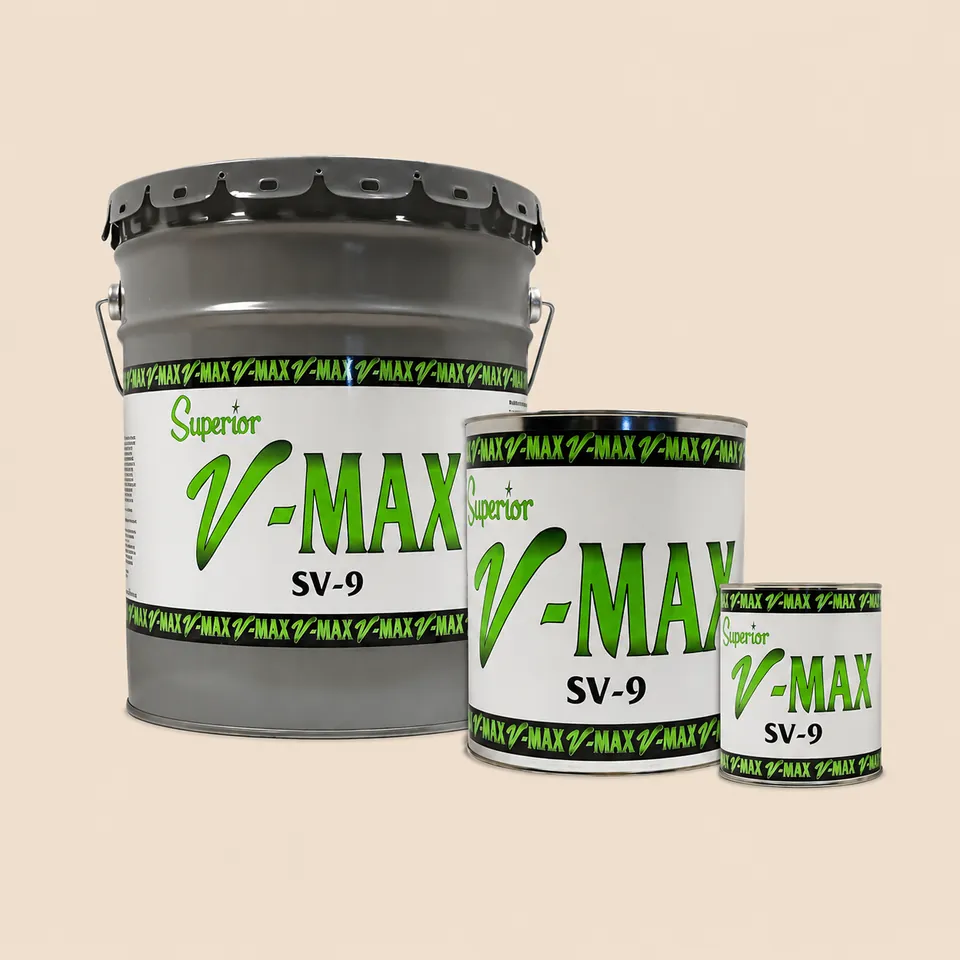
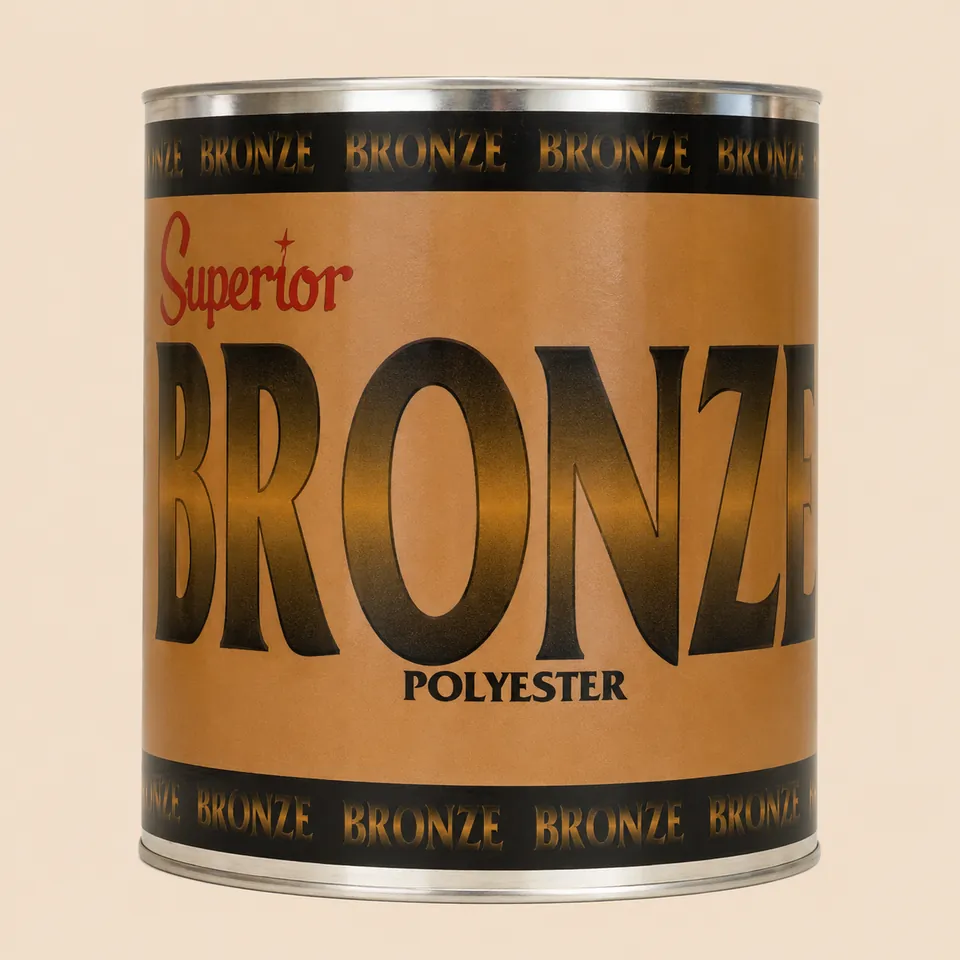
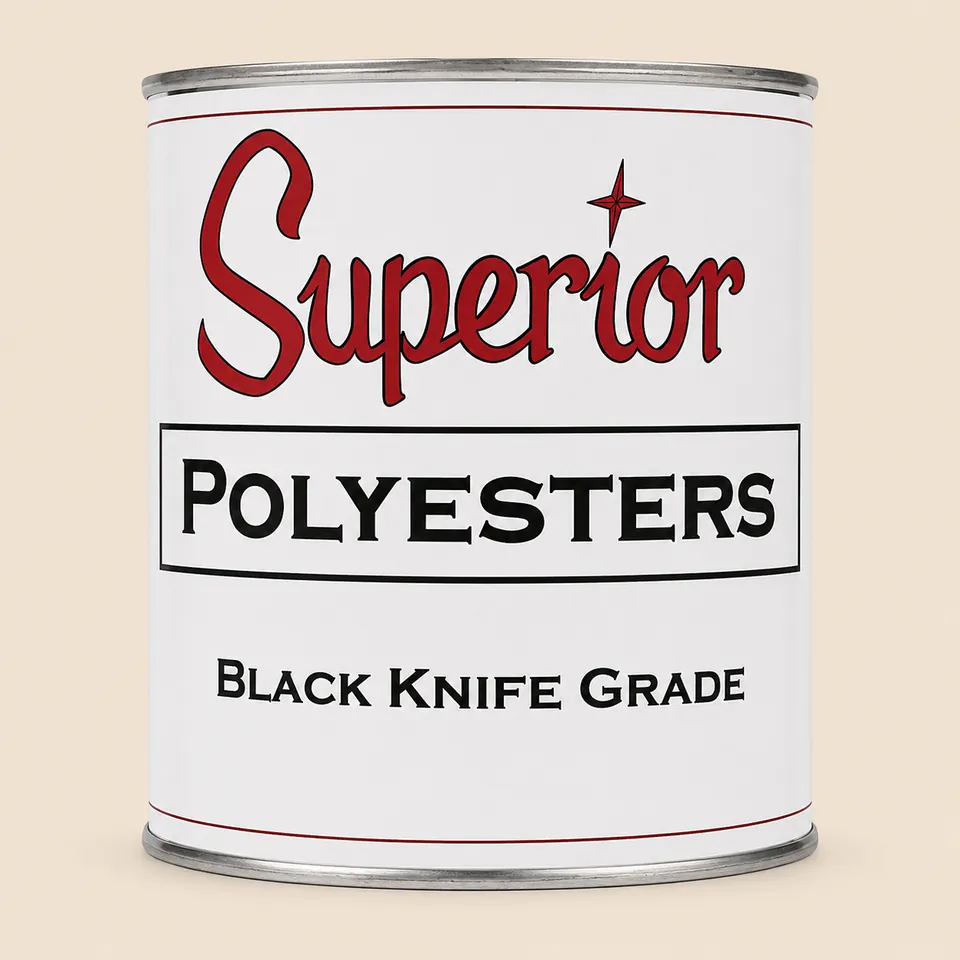
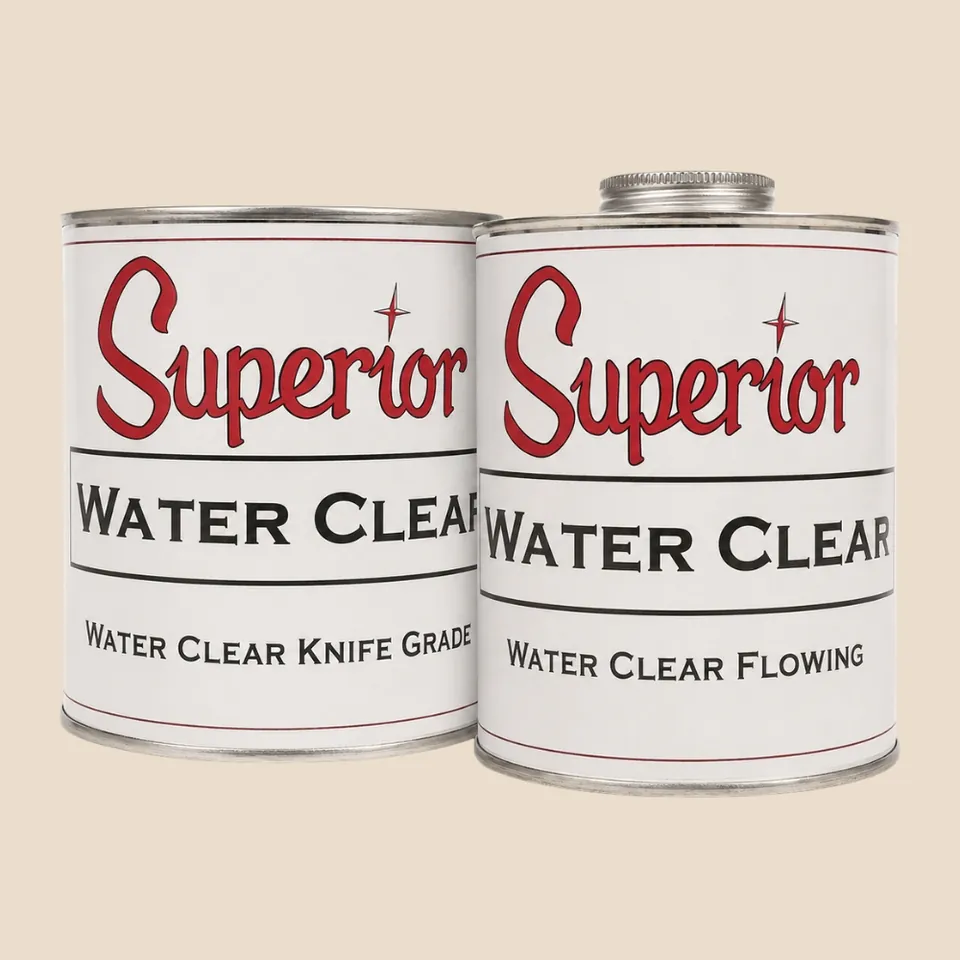
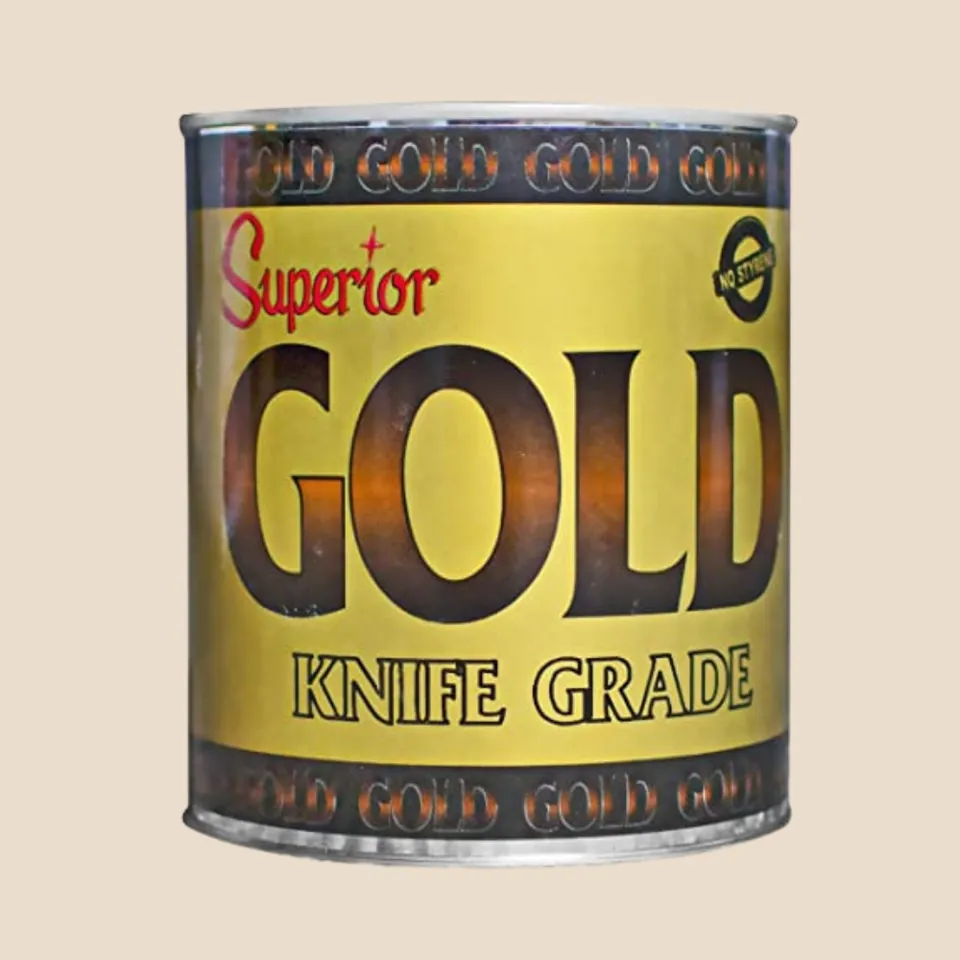
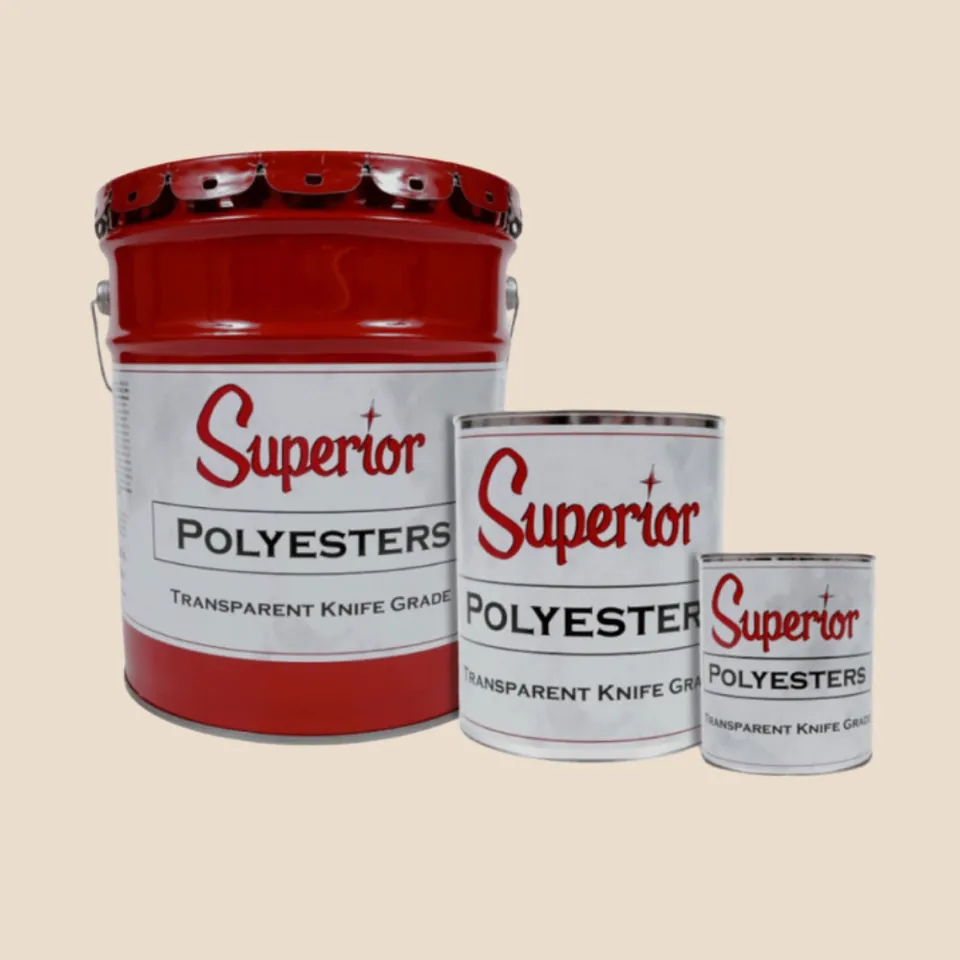
Devgon’s Epoxy collection lists eight Superior stone-bonding products. Their names alone do not identify chemistry: Superior White, Bronze Flowing, Black, Waterclear, 4L Gold and Original Polyester Clear are described as polyester. Superior V-MAX SV-9 is described as an epoxy adhesive. The 1Q Gold listing says knife grade without stating a resin chemistry.
Knife-grade and flowing descriptions are provided for specific products. The listings do not give substrate-specific granite, marble, quartz or porcelain ratings, mixing ratios, working or cure times, tinting systems, or structural and sink-installation approvals. For fabrication or repair work in Brampton or the GTA, obtain the exact product’s technical instructions before choosing it for a seam, lamination, wet area or repair. Do not rely on adhesive alone for an undermount sink; follow the sink manufacturer’s required supports.
Request a quote or WhatsApp us with the model, material and machine. Confirm availability, pricing and shipping arrangements before ordering.
Why Choose Devgon
Stone Bonding Listings
Eight Superior products list stone bonding and fabrication applications.
Consistency Options
Knife-grade and flowing descriptions vary by product.
Chemistry Check
Several products named Epoxy are described as polyester; read the full listing.
Technical Data First
Confirm substrate, mixing, cure and repair approvals from the exact product’s instructions.
Epoxy Products
Frequently Asked
Which materials are explicitly rated in these listings?+
The Superior listings state stone bonding and fabrication but do not provide substrate-specific granite, marble, quartz, porcelain or structural ratings. Obtain the exact product’s technical data before choosing it for your surface or repair.
Do the listings specify colour matching?+
The listings include product colour names and knife-grade or flowing descriptions, but do not specify an approved tinting system or a colour-matching service. Confirm compatible pigments and any tinting method from the exact product’s instructions.
What epoxy should I use to laminate granite countertop edges?+
Choose a two-part epoxy or polyester stone adhesive specifically rated by its manufacturer for granite lamination. Epoxy and polyester are different adhesive chemistries, so confirm the selected product rather than treating them as interchangeable. Follow its mixing ratio, surface preparation, clamping, working time, and full-cure instructions; an 8 to 15 minute working time is not universal and varies with formulation and temperature. Use an approved tint to help match the granite, and test on an offcut first. Devgon lists knife-grade and flowing adhesives; contact us to confirm a suitable product and available colour tones.
How do I repair a crack or pit in a granite countertop?+
For small cosmetic pits or cracks, choose a stone repair adhesive rated for granite and the size and orientation of the defect. A flowing or low-viscosity product may suit some voids, while a knife-grade adhesive can help stay in place where a thicker consistency is needed. Clean and prepare the surface, mix and tint only as the manufacturer permits, and follow its filling, excess-removal, and full-cure instructions before sanding or polishing. Structural cracks, moving seams, or unsupported stone require assessment by a qualified stone fabricator; a thicker adhesive alone does not establish structural suitability. Check compatibility before repairing resin-treated stone.
What is the difference between polyester and epoxy stone adhesives?+
Polyester and epoxy use different resin and hardener systems. Many polyester stone adhesives offer relatively fast curing and convenient tinting for manufacturer-approved filling, seam joining, and lamination work. Epoxy formulations can offer improved adhesion or moisture resistance for certain applications, but working time, cure speed, strength, and substrate compatibility vary by product; epoxy is not always slower or universally stronger. Select by the manufacturer's technical data rather than chemistry alone. For wet areas or structural repairs, confirm an explicitly rated product. For undermount sinks, use the required mechanical supports and the sink manufacturer's installation method; do not rely on adhesive alone.
Related Categories
Need help choosing the right epoxy tool?
Share your material, application and equipment to discuss the listed options.