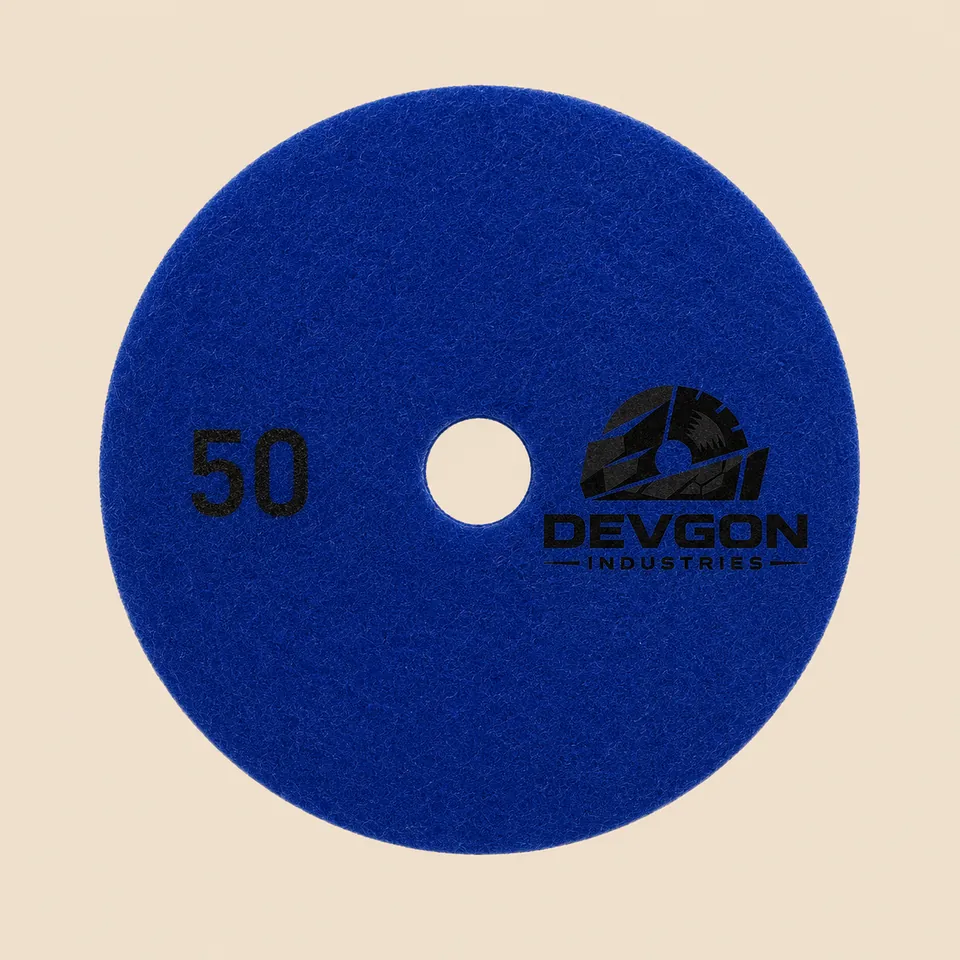
DevgonXtreme Polishing Pad 50
- Application:
- Wet or dry polishing of granite, marble, engineered stone & porcelain

Devgon lists seven Xtreme diamond resin polishing pads in grits 50, 100, 200, 400, 800, 1500 and 3000. Each lists granite, marble, engineered stone and porcelain tile, with wet or dry use. The listings specify white resin with no pigment and a geometric slurry-clearing design.
These individual grit listings do not establish a bundled set, buff pad, metal-bond or hybrid pad range, or concrete, terrazzo, limestone or travertine capability. For edge or surface finishing in Brampton or the GTA, choose a pad explicitly rated for the exact material and follow the pad system’s operating instructions. Confirm any unlisted diameter, backing fit or speed limit before use.
Request a quote or WhatsApp us with the model, material and machine. Confirm availability, pricing and shipping arrangements before ordering.
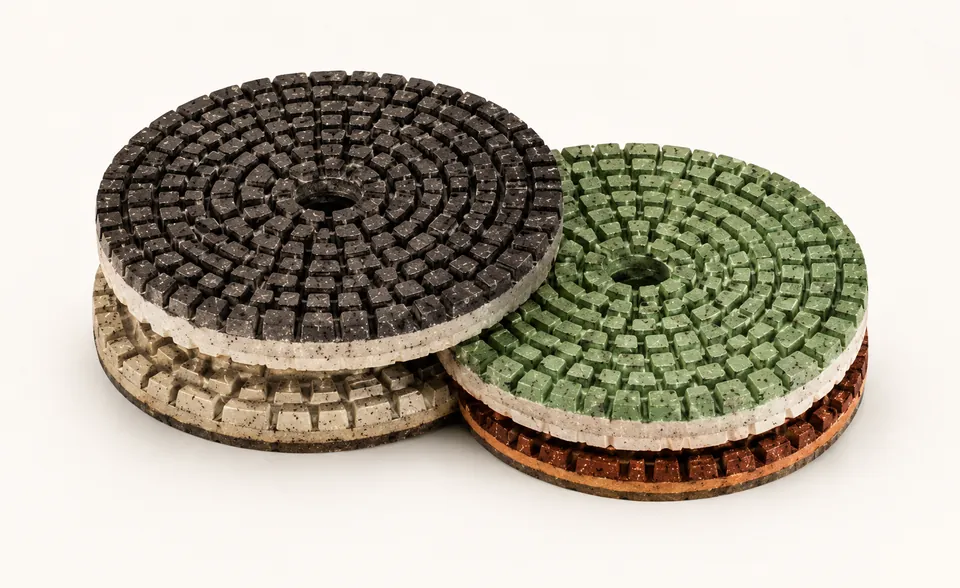
50, 100, 200, 400, 800, 1500 and 3000 are listed individually; no buff pad is listed.
Each Xtreme listing permits wet or dry polishing.
Granite, marble, engineered stone and porcelain tile are explicitly listed.
The listings specify white no-pigment resin and a geometric slurry-clearing design.
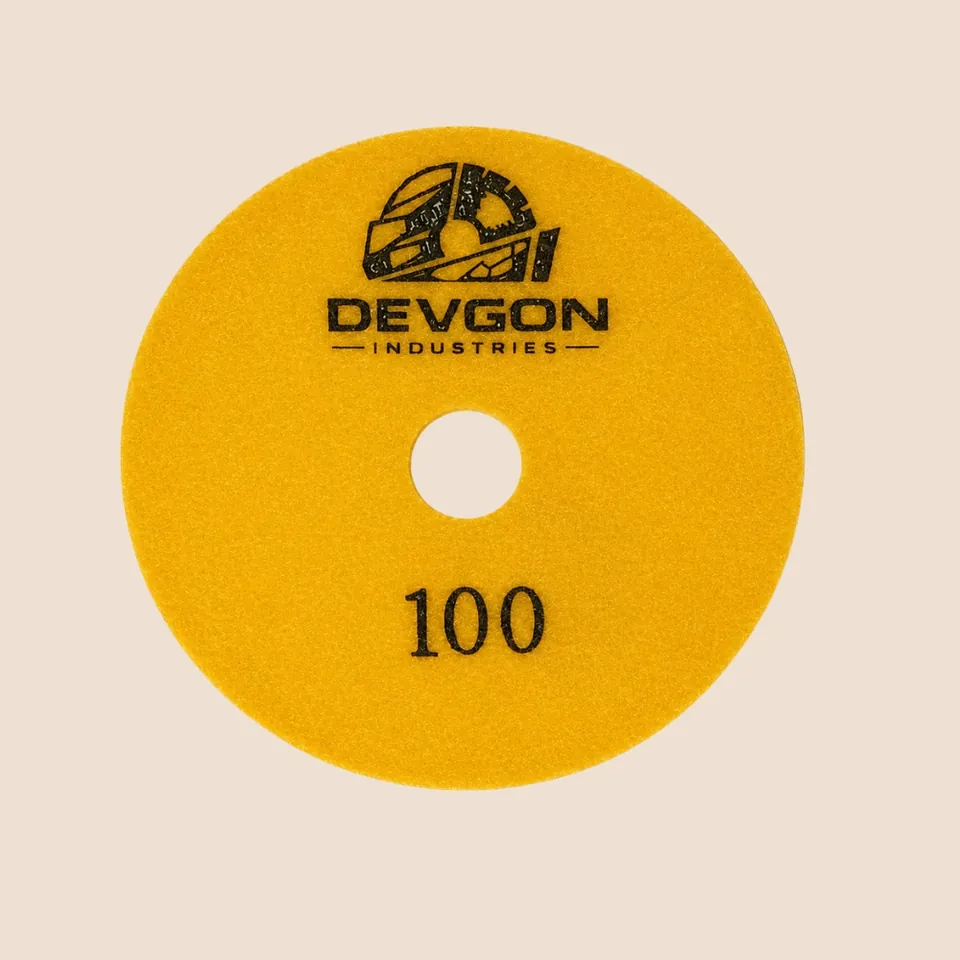
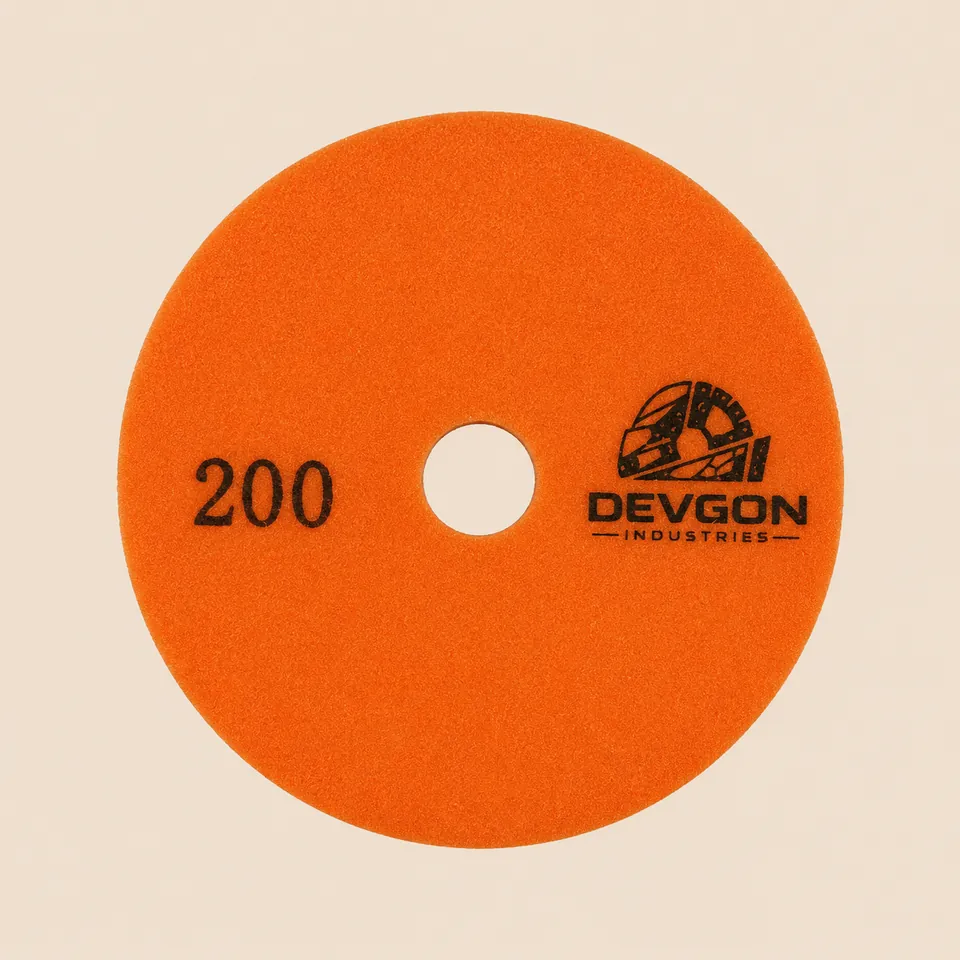
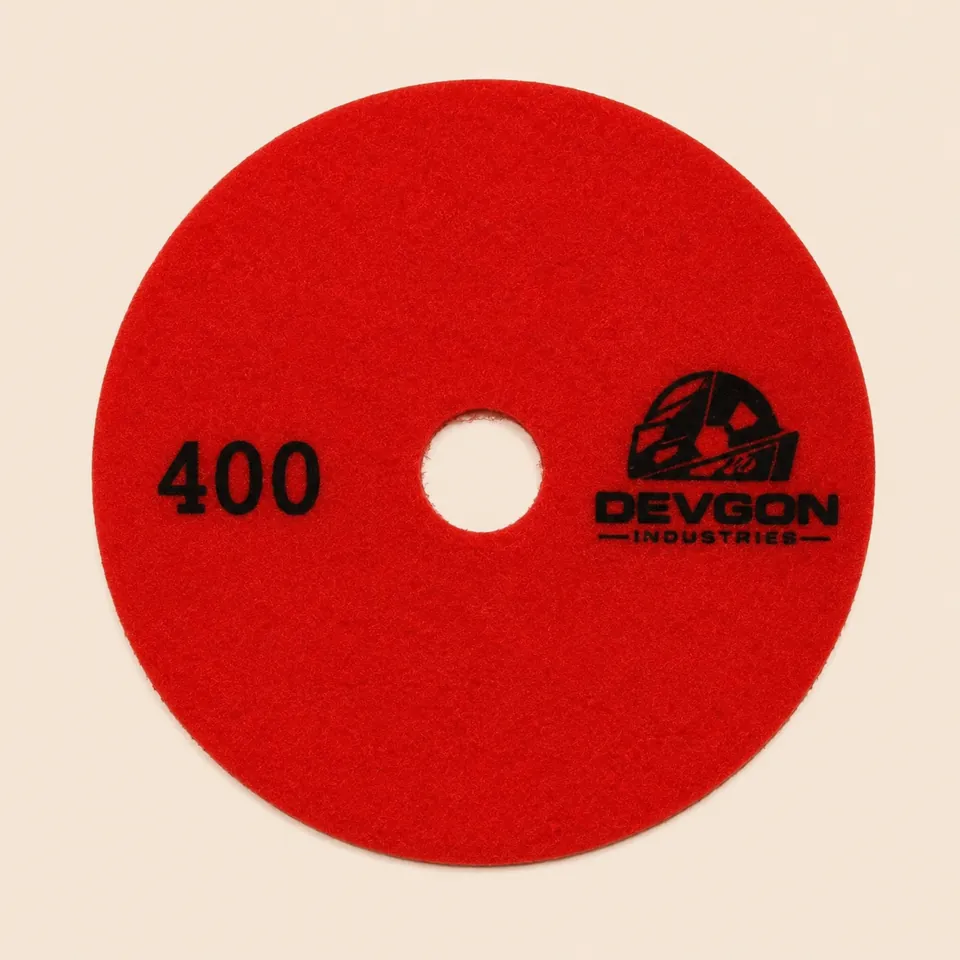
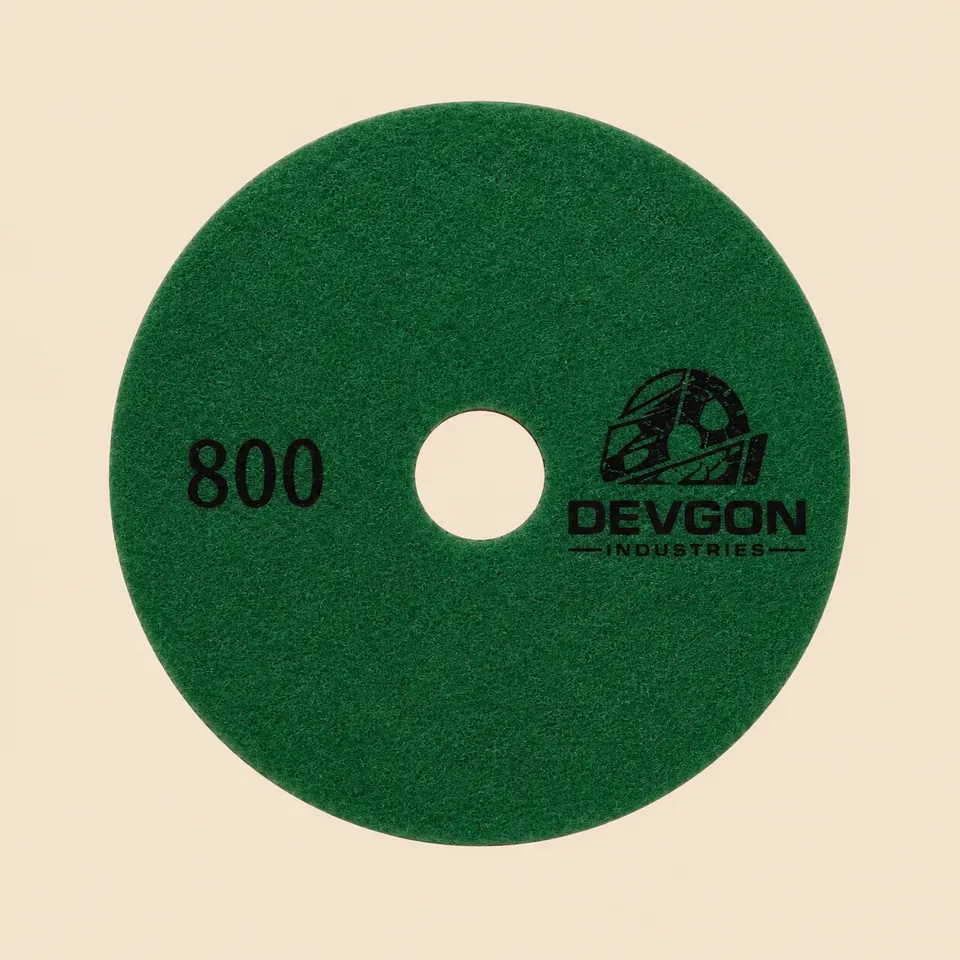
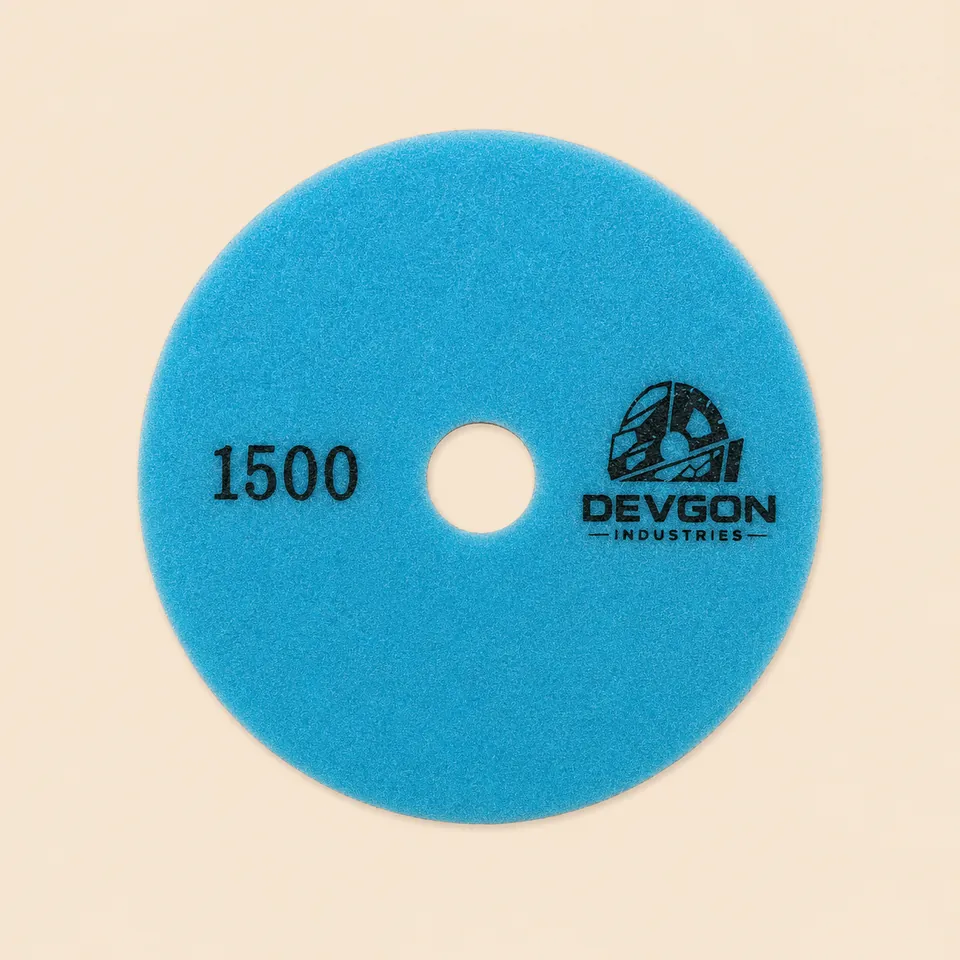
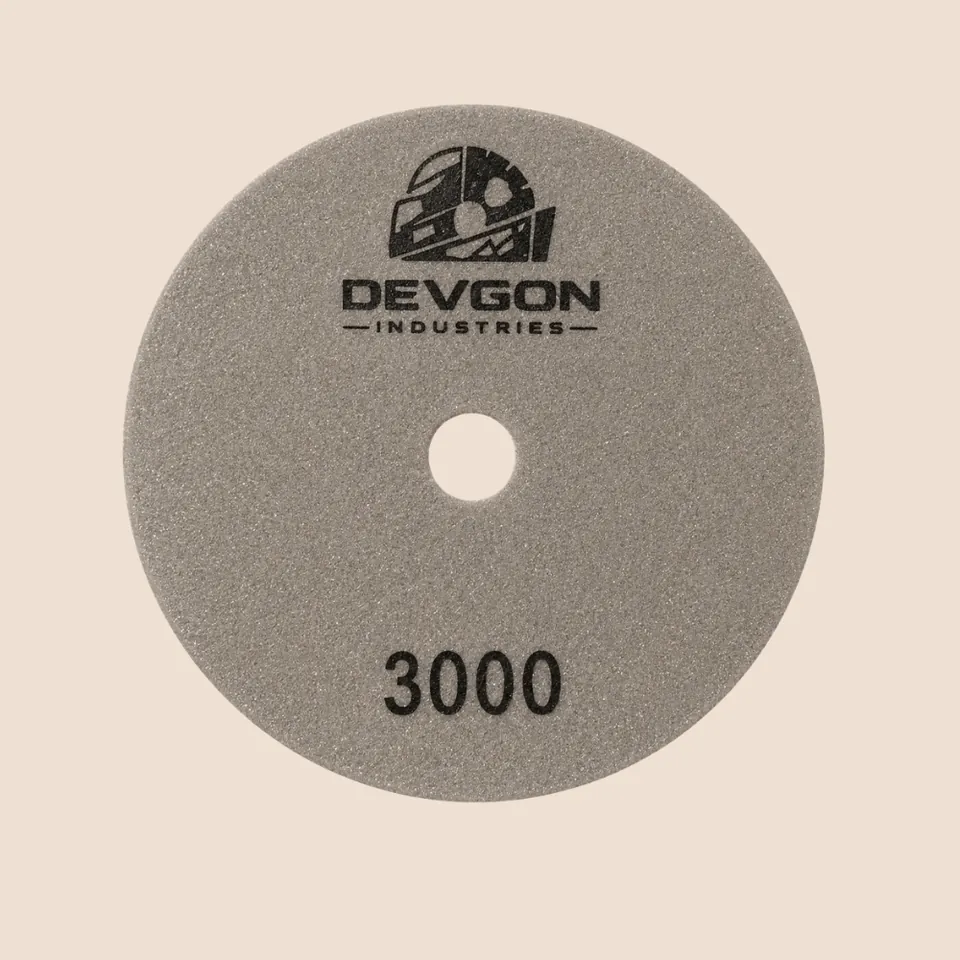
The Xtreme pads are listed individually in 50, 100, 200, 400, 800, 1500 and 3000 grit. No buff pad or bundled full set is listed. Follow the selected pad system’s sequence for the material and finish target.
A standard granite edge polishing sequence starts at 50 grit for scratch removal and shaping, then progresses through 100, 200, 400, 800, and 1500 before finishing at 3000 grit. Use a compatible buff pad if recommended by the pad manufacturer and your finish target. Do not skip grits: scratches from the previous stage can remain visible in the final polish. Use water with wet-rated pads, and follow the manufacturer's cooling, speed, and safety instructions for dry-rated pads.
The Xtreme listings name granite, marble, engineered stone and porcelain tile, not concrete. Do not assume these resin pads are concrete-rated. Use a pad explicitly rated for the concrete application and machine.
Wet polishing pads require water for cooling and lubrication and are commonly used in fabrication shops. Dry polishing pads are designed for applications where water is impractical, such as finishing installed countertops. Finish quality and pad life depend on the material, pad system, speed, and technique; some dry-rated systems support full polishing sequences. Follow the manufacturer's wet/dry rating, cooling instructions, and speed limits. For dry work, use suitable dust extraction and respiratory protection to control silica exposure.
Share your material, application and equipment to discuss the listed options.