Porcelain Tooling

Porcelain Cutting Blades — Canada

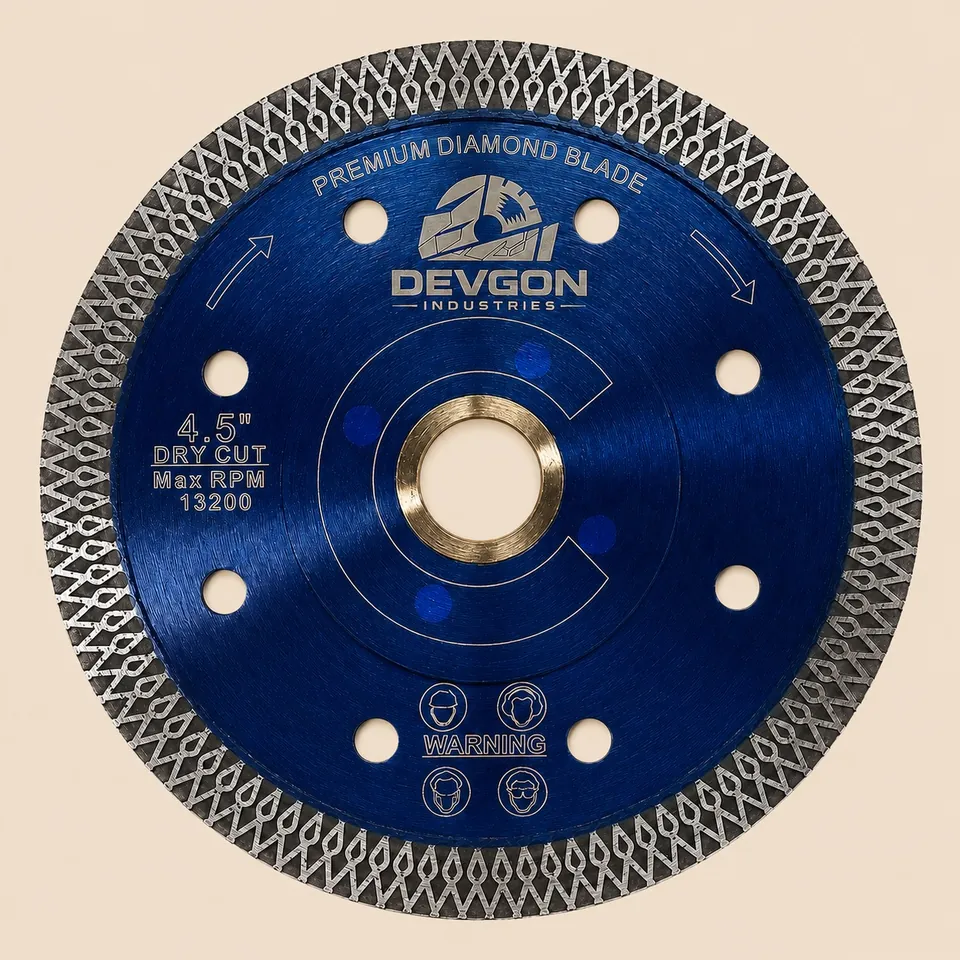
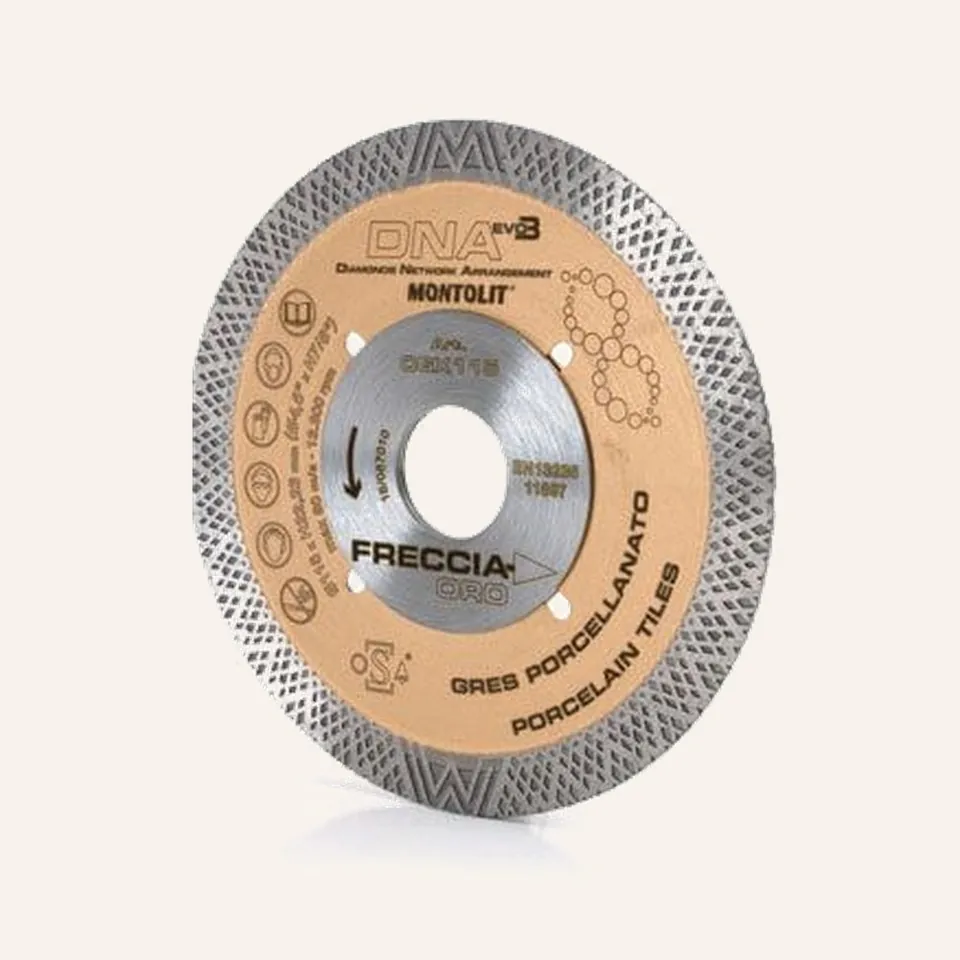
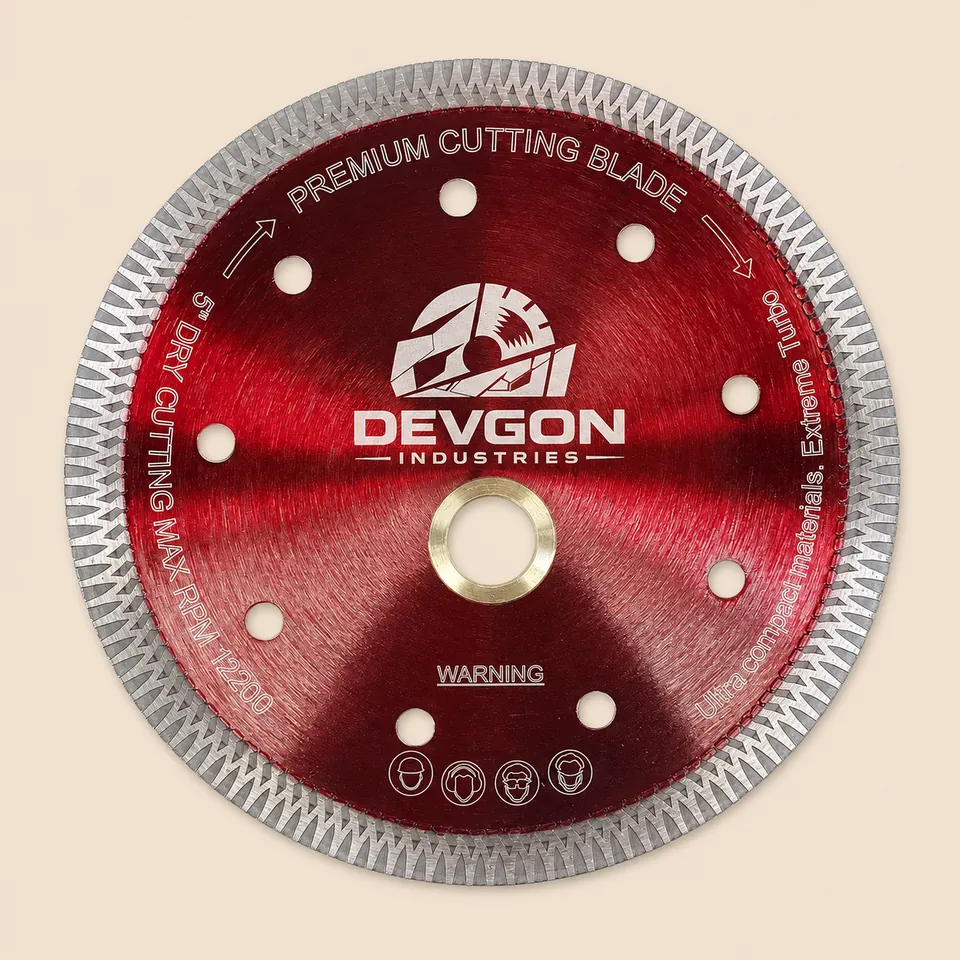
Devgon lists CAET, PAMTT and Montolit CGX115 porcelain cutting blades. CAET lists porcelain, porcelain slab, ultra-compact tile and slab, and natural quartzite. PAMTT lists porcelain and hard ceramics. Montolit CGX115 lists porcelain tile. These ratings do not establish Dekton, Neolith or Lapitec suitability for every blade.

CAET lists 3 inch to 6 inch sizes with dry and wet cutting. PAMTT lists 3 inch to 12 inch sizes: 3 inch to 8 inch are dry/wet-rated, while 10 inch and 12 inch are wet-only. CGX115 lists a 115 mm diameter and dry or wet use. Match your Brampton or Toronto job to the specific blade, machine and material; the listings do not give a universal slab-thickness rating.


Request a quote or WhatsApp us with the model, material and machine. Confirm availability, pricing and shipping arrangements before ordering.

Porcelain cutting illustration; check each listed blade’s material and machine ratings

Why Choose Devgon

Porcelain Models

CAET, PAMTT and Montolit CGX115 list porcelain applications.

Model-Specific Materials

CAET also lists natural quartzite and ultra-compact tile and slab; PAMTT lists hard ceramics.

Listed Diameters

CAET: 3–6 inch. PAMTT: 3–12 inch. Montolit CGX115: 115 mm.

Size-Specific Cooling

PAMTT 10 inch and 12 inch are wet-only; check every model and size before use.

Porcelain Products

3 products

Frequently Asked

Which listed blade should I compare for porcelain slabs?+

CAET explicitly lists porcelain slab and ultra-compact slab in 3 inch to 6 inch sizes. PAMTT lists porcelain and hard ceramics; Montolit CGX115 lists porcelain tile. Do not assume every porcelain-rated blade covers slabs, Dekton or other sintered surfaces. Check the exact material and machine requirements.

Can I use these dry?+

CAET lists dry and wet cutting. PAMTT lists dry and wet use for 3 inch to 8 inch sizes; its 10 inch and 12 inch sizes are wet-only. Montolit CGX115 lists dry or wet use. Follow the exact size’s rating and use water only with wet-operation equipment.

Why do I need a special blade for porcelain tile?+

Porcelain is fired at extremely high temperatures, making it one of the hardest and most brittle tile materials. A standard diamond blade causes chipping, cracking, or blowout on porcelain edges. A specialized thin-kerf sintered porcelain blade uses a fine diamond matrix matched to the material that scores and slices cleanly without fracturing it. Using the wrong blade on porcelain wastes expensive tile and produces unusable cuts.

What is the difference between porcelain blades and ultra-compact blades?+

A porcelain rating does not automatically cover every ultra-compact surface or slab thickness. CAET lists porcelain slab, ultra-compact tile and slab, and natural quartzite. PAMTT lists porcelain and hard ceramics; CGX115 lists porcelain tile. The listings do not establish universal thickness limits or Neolith, Lapitec or Dekton suitability for every blade.

Can I cut porcelain dry or does it need water?+

Wet and dry porcelain blade options are available, but each blade must be used according to its wet or dry rating. Wet cutting is strongly recommended for slabs and thick porcelain. Water cools the blade, extends diamond life, and dramatically reduces the airborne silica dust created when cutting porcelain — a serious health hazard. For thin tile on a jobsite where water is impractical, use a dry-rated blade with proper dust extraction and respiratory protection. Never use a wet-only blade dry.

Related Categories

Need help choosing the right porcelain tool?

Share your material, application and equipment to discuss the listed options.