
Diamond Core Drill Bits: The Complete Guide for Canadian Contractors
By Devgon Industries ·
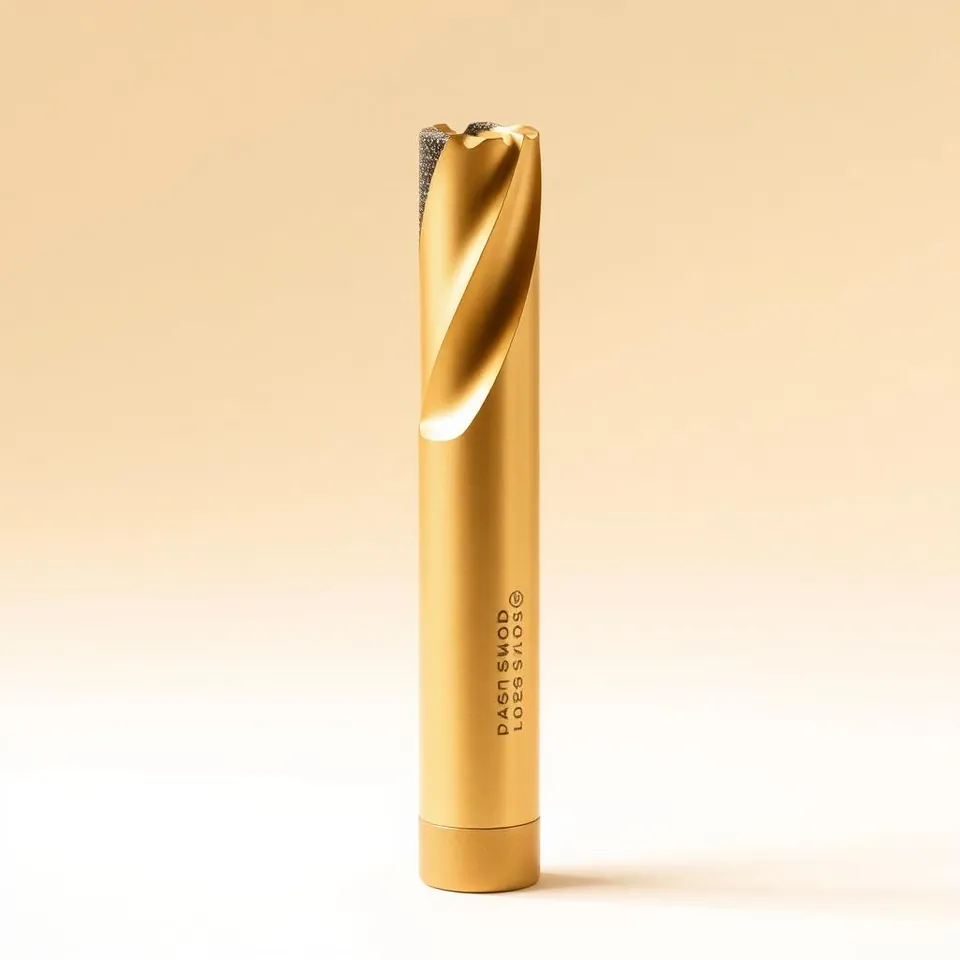
Diamond core drill bits cut clean, round holes through materials that would destroy a standard drill bit: reinforced concrete, granite, porcelain, brick and block. Plumbers, electricians, HVAC installers, tile setters and countertop fabricators across Canada rely on them every day. Choosing the wrong one, though, means slow drilling, chipped edges and bits that stop cutting after a few holes.
This guide covers the decisions that matter: how the bit is built, wet versus dry, how it mounts, and how to size the hole correctly.
How a diamond core bit works
A core bit is a hollow steel tube with diamond on its cutting edge. Instead of crushing the whole hole like a twist drill, it grinds a thin ring and leaves a solid core in the middle. Less material removed means faster drilling, less heat and a cleaner hole.
The three ways core bits are built
| Construction | How it works | Strengths | Best for |
|---|---|---|---|
| Sintered segmented | Diamond segments with several layers of diamond in a metal bond, brazed or laser welded to the barrel | Longest life, handles heavy duty drilling | Concrete, reinforced concrete, masonry with a core drill rig |
| Vacuum brazed | A single layer of diamond bonded directly to the edge | Very fast, aggressive, works on angle grinders | Porcelain, ceramic, granite, quartz, marble |
| Electroplated | A thin diamond layer plated onto the steel | Low cost, very fine cut | Glass, soft tile, occasional use |
As a rule, sintered segmented bits are built for life and volume in concrete, while vacuum brazed bits are built for speed and clean holes in tile and stone.
Wet or dry core drilling?
Wet core bits run with water fed through the drill or to the cut. Water cools the diamonds, flushes slurry out of the kerf and controls silica dust. Wet drilling is standard for large diameters, deep holes and reinforced concrete.
Dry core bits are designed for jobsites where water is impractical, such as drilling block, brick or tile inside a finished space. They rely on air cooling, so drill in short bursts and pull the bit out regularly to clear dust and let it cool.
Many vacuum brazed bits can be used wet or dry. Using a little water, even a spray bottle, noticeably extends their life on porcelain.
Thread and mount: will it fit your tool?
- 5/8-11 thread: the standard North American angle grinder spindle. Most tile and stone core bits for grinders use this thread.
- 1-1/4"-7 thread: the most common thread on North American core drill motors and rigs used for concrete coring.
- Adapters: available to move between threads, but always confirm the bit, adapter and tool are rated for each other.
Check the thread before you order. A bit that does not fit your tool is the most common avoidable return.
How to size the hole correctly
Size the bit to what has to pass through the hole, not to a nominal label. Pipe is the classic mistake: a nominal 4 inch pipe has an outside diameter of about 4.5 inches, so it needs a larger bit, typically 5 inches or more once a sleeve, insulation or firestop system is added. Measure the actual outside diameter of the pipe, conduit or sleeve, add the clearance your installation requires, and confirm with the engineer, inspector or firestop specification for rated assemblies.
For faucet and sink holes in countertops, follow the fixture manufacturer's cut-out specification.
Drilling technique that saves bits
Concrete and masonry
- Use a rig or guide for larger diameters to keep the bit straight and avoid binding.
- Keep steady water flow and moderate pressure. Let the diamonds do the work.
- If the bit stops cutting and feels smooth, it has glazed. Dress it by drilling briefly into an abrasive block or brick to expose fresh diamond.
Porcelain, granite and quartz with an angle grinder
- Start the bit at a slight angle to score a crescent, then bring it upright once the groove is established. A drilling guide makes this easier.
- Use light pressure and a gentle rocking motion so the bit does not overheat in one spot.
- Add water to the cut where possible, and slow down as you break through to avoid blowout on the back face.
Before you core concrete: scan first
Never core structural concrete without knowing what is inside it. Post-tensioned slabs contain tensioned steel cables that can cause serious injury and structural damage if cut. Embedded electrical conduit and rebar placement also matter. Have the slab scanned with ground penetrating radar and get approval from the engineer or building owner before drilling.
Coring also produces respirable crystalline silica dust. Wet drilling, dust extraction and proper respiratory protection protect your crew. Follow your provincial occupational health and safety requirements.
Frequently asked questions
Can I drill through rebar with a diamond core bit?
Yes, with a segmented bit rated for reinforced concrete, run wet with steady, moderate pressure. Ease off when you feel the bit hit steel. Never cut through post-tensioned cables or structural reinforcement without engineering approval.
Why is my core bit not cutting anymore?
Usually the bond has glazed over, especially in hard aggregate concrete. Dress the bit in an abrasive material to expose fresh diamond. If it keeps glazing, a softer bond bit is a better match for that concrete.
Can I use a tile core bit in a regular drill?
Most stone and tile core bits are designed for angle grinders with a 5/8-11 thread. Using one in a drill requires the correct adapter and a suitable speed. Check the bit's specification and maximum RPM before use.
Which core bit is best for porcelain tile?
A vacuum brazed bit on an angle grinder is the most common professional choice for porcelain. It cuts quickly and cleanly with light pressure.
Find the right core bit
Browse our full range of diamond core drill bits, or explore porcelain tooling and concrete tooling. Not sure which bit fits your job? Request a quote and tell us your material, diameter and tool.