Core Drill Bits for Concrete vs Natural Stone: What Changes and Why
By Devgon Industries ·
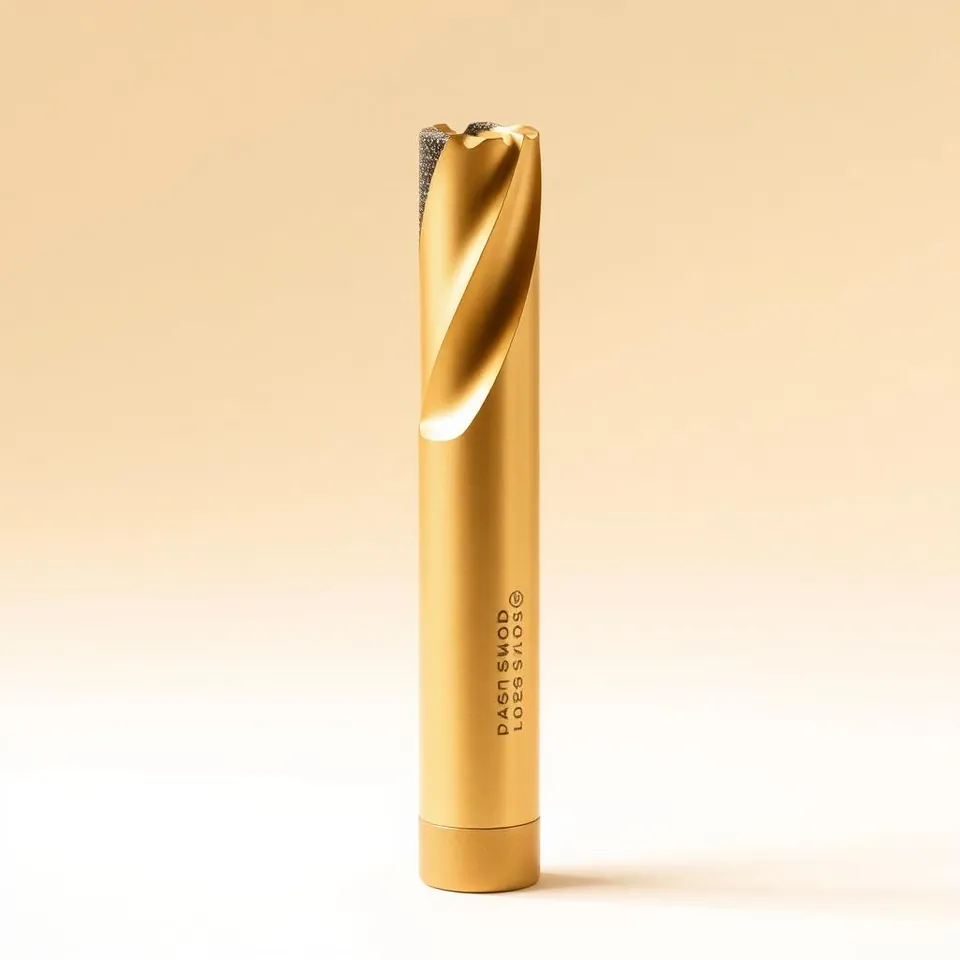
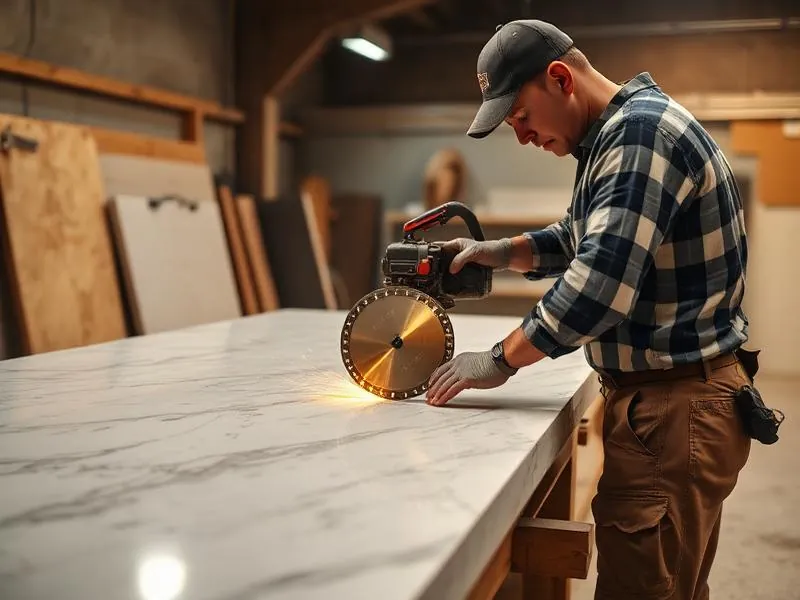
Both jobs use a diamond core bit, but drilling a 6 inch penetration through a concrete floor and drilling a faucet hole in a granite countertop have little else in common. The goals are different, the tools are different and the bits are built differently.
This guide compares choosing a core drill bit for concrete with choosing one for stone countertops, side by side. For a general introduction, see our complete core drill bits guide.
Different jobs, different priorities
- Concrete coring is about penetrations for plumbing, electrical, HVAC and anchors. Priorities are speed, depth, bit life and getting through reinforcement. The finish of the hole edge matters less.
- Stone countertop coring is about faucet, soap dispenser and accessory holes in finished surfaces. Priorities are a clean, chip-free edge on a visible face, accurate placement and protecting an expensive slab.
Side-by-side comparison
| Concrete coring | Stone countertop coring | |
|---|---|---|
| Typical bit construction | Sintered segmented, tall segments | Vacuum brazed or fine sintered continuous rim |
| Typical tool | Core drill motor, often on a rig | Angle grinder or CNC |
| Common North American mount | 1-1/4"-7 thread | 5/8-11 thread |
| Typical diameters | Small to very large | Mostly small, fixture-sized holes |
| Depth | Often deep, through slabs and walls | Usually 2 to 3 cm slab thickness |
| Water | Wet for most work | Wet preferred, light water for vacuum brazed bits |
| Main risks | Rebar, post-tension cables, binding | Chipping, cracking, blowout on the back face |
Choosing a core drill bit for concrete
Bits built for depth and life
Concrete core bits use sintered diamond segments with plenty of segment height for long life in abrasive material. As with blades, match the bond to the concrete: hard aggregate needs a softer bond, while abrasive concrete needs a harder one.
Use a rig for larger holes
For larger diameters and deep holes, mount the core drill on a rig anchored to the slab or held with a vacuum base. A rig keeps the bit straight, prevents binding and makes the job safer.
Plan for reinforcement and slurry
- Use bits rated for reinforced concrete when rebar is expected.
- Scan the slab before drilling and get approval for structural elements. Post-tensioned cables are dangerous to cut.
- Control water and slurry indoors with a water collection ring and wet vacuum.
- Plan for removing the core, especially when drilling through a floor.
Our coring drill bits list stone, tile or glass materials, not concrete or rebar. The concrete collection lists cutting blades, not concrete core bits.
Coring stone countertops
Bits built for a clean edge
Countertop holes are on a visible surface, so edge quality comes first. Vacuum brazed bits on angle grinders are popular for their speed and clean cutting on granite, quartz and porcelain. Fine continuous rim sintered bits are also used for smooth holes.
Technique for a chip-free hole
- Mark the hole position carefully and follow the fixture manufacturer's hole size. Many North American faucets use a hole around 1-3/8 inch, but always check the specification.
- Support the slab fully underneath the hole.
- Start at a slight angle to score a groove, then bring the bit upright. A drilling guide helps.
- Use light pressure with a gentle rocking motion and some water.
- Slow down as you break through to avoid blowout on the underside.
- Keep holes a safe distance from edges, seams and cutouts, following the material manufacturer's guidelines.
Material notes
Watch for natural fissures in granite and veining in marble, which can crack if drilled aggressively. Porcelain and ultra-compact surfaces need bits rated for those materials and extra care at breakthrough. See our guide on cutting porcelain slabs without chipping.
Can one core bit do both?
Not well. A countertop bit on a 5/8-11 thread will not fit most concrete core drill motors and lacks the segment height for deep concrete work. A concrete segmented bit is too aggressive for a finished countertop and will leave a rough, chipped edge. Keeping separate bits for each job gives better results and longer bit life.
Troubleshooting
| Problem | Concrete | Stone countertop |
|---|---|---|
| Bit stops cutting | Glazed segments, dress in abrasive material | Bit worn or overheated, add water and reduce pressure |
| Bit binds or jams | Bit not straight, use a rig | Rocking too hard, keep motion gentle |
| Chipped hole edge | Usually acceptable | Too much pressure or wrong bit, use a finer bit and slow down |
| Blowout on back face | Slow down at breakthrough | Support the slab and ease off at breakthrough |
Frequently asked questions
Can I use a tile core bit on concrete?
For a shallow hole in thin concrete it may work briefly, but tile and stone bits are not built for deep, abrasive concrete. Use a segmented concrete core bit for concrete.
What thread do concrete core drills use?
The most common North American thread for concrete core drill motors is 1-1/4"-7. Angle grinder core bits typically use 5/8-11. Adapters exist, but confirm compatibility and ratings.
Should I drill countertop holes from the top or bottom?
Most fabricators drill from the finished face for the cleanest visible edge, easing off at breakthrough and supporting the slab to prevent blowout underneath.
Do I need water for countertop coring?
Water extends bit life and controls dust. Even a small amount helps vacuum brazed bits on granite, quartz and porcelain.
Find the right core bit
Browse our diamond core bits, concrete tooling and natural stone tooling. Compare the exact product’s listed materials and machine requirements before selecting tooling. Contact us with any questions. Request a quote.