
The Essential Stone Fabrication Tools Checklist for Canadian Shops
By Devgon Industries ·
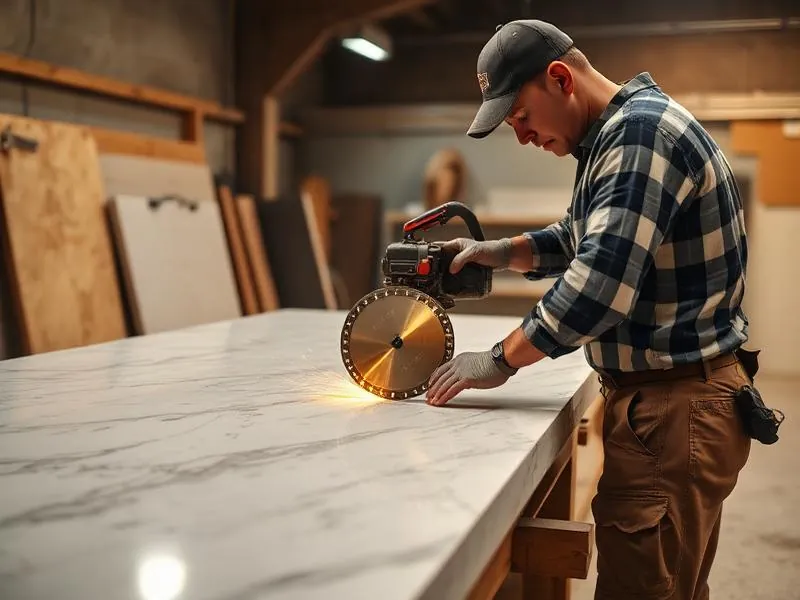
Whether you are setting up a new countertop shop or reviewing an established one, it helps to look at tooling stage by stage. Missing tools slow jobs down. The wrong tools create remakes. And in Canada, waiting on a replacement blade or a specific core bit can stall a job for days, so keeping the right consumables on hand matters.
This checklist covers the stone fabrication tools Ontario and other Canadian shops rely on most, organized by each stage of the work.
1. Templating and layout
- Digital templating system or templating strips and adhesive
- Tape measures, straightedges and squares
- Levels for checking cabinets and site conditions
- Markers and layout tools for slabs
2. Slab handling and storage
- A-frames and slab racks
- Vacuum lifters or slab clamps
- Slab carts and dollies
- Cut-resistant gloves and steel-toed footwear
Large porcelain and ultra-compact slabs need full support during handling. See our guide on ultra-compact surfaces.
3. Cutting
- Bridge saw, rail saw or both, depending on volume
- Bridge saw blades matched to your main materials
- Angle grinders with blades for granite, quartz, porcelain and marble
- Dressing stones to keep blades cutting
Read our bridge saw blade guide and bridge saw vs angle grinder comparison. Shop bridge saw blade range and cutting blades.
4. Drilling and cutouts
- Core bits in common faucet and accessory hole sizes
- Vacuum brazed core bits for porcelain and quartz
- Finger bits for CNC sink and cooktop cutouts
- Drilling guides for hand coring
See our core drill bits guide and diamond coring drill bits.
5. Edge shaping
- Router bits or hand profilers for your standard edge profiles
- CNC profile wheels if you run a CNC
- Turbo and double row grinding cups for shaping and lippage removal
Shop listed grinding tools, checking each model’s material and machine ratings.
6. Polishing
- Variable speed wet polisher with GFCI protection, or air-powered polishers
- Full sets of diamond polishing pads, from shaping grits to buff
- Rigid and flexible backer pads
- Dry pads for installed countertops and touch-ups
Read our grit sequence guide and how to polish granite edges. Shop polishing pads.
7. Adhesives, seams and repairs
- Knife grade polyester or epoxy for lamination
- Flowing epoxy for cracks and pits
- Colour-matched seam adhesives for quartz
- Pigments, mixing boards and razor blades
- Seam setters
Read our stone epoxy guide and shop stone adhesives.
8. Installation
- Seam setters, levels and shims
- Undermount sink clips and adhesive
- Silicone sealant
- Stone sealers for natural stone that requires sealing
- Dry cutting blades and pads with dust control for on-site adjustments
9. Safety and dust control
- Respiratory protection suitable for silica dust
- Eye and hearing protection
- Dust shrouds and suitable vacuums for dry work
- Wet cutting and water management for the shop
- GFCI protection for all wet electric tools
Silica exposure is one of the most serious health risks in stone fabrication, particularly with engineered quartz. Follow your provincial occupational health and safety requirements.
10. Maintenance and consumables
- Spare blades for each main material
- Replacement polishing pads, especially coarse grits that wear fastest
- Dressing stones
- Tools for cleaning saw flanges and CNC tool holders
Starter shop vs growing shop
| Stage | Starter shop | Growing shop |
|---|---|---|
| Cutting | Grinders and a rail saw | Bridge saw, plus grinders for detail |
| Cutouts | Core bits and grinders | CNC with finger bits and core drills |
| Edges | Hand router bits and polishing pads | CNC profile and polishing wheels |
| Handling | Clamps, A-frames and carts | Overhead crane and vacuum lifters |
Stone fabrication tools: Ontario and Canadian shop considerations
- Winter temperatures: adhesives cure slowly in cold shops. Store them indoors and warm slabs before bonding.
- Water systems: protect water lines and recycling systems from freezing.
- Stock planning: keep spare blades, pads and core bits for the materials you cut most, so one worn tool does not stop a job.
Frequently asked questions
What are the most essential tools to start fabricating countertops?
Angle grinders, blades matched to your materials, core bits, router bits for your standard edge, a full set of polishing pads, a wet polisher, adhesives and proper safety equipment. A rail saw greatly improves straight cuts.
Which consumables wear out fastest?
Coarse polishing pads, blades used on abrasive or very hard materials, and core bits in heavy use. Track usage so you reorder before you run out.
Do I need different tools for porcelain?
Yes. Porcelain and ultra-compact surfaces need blades, core bits and CNC tooling rated for those materials.
Build your tooling setup
Devgon Industries lists blades, core bits, grinding wheels, polishing pads and stone adhesives. Check each model’s applications and compatibility. Compare the exact product’s listed materials and machine requirements before selecting tooling. Contact us with any questions. Request a quote or browse all products.