Stone Epoxy and Adhesives: A Fabricator's Guide to Lamination, Seams and Repairs
By Devgon Industries ·
Adhesives hold a countertop shop together, literally. Laminated edges, invisible seams, repaired pits and mounted sinks all depend on choosing the right product and using it correctly. A poor colour match or a weak joint is visible to every customer.
This guide explains the main types of stone adhesive, where each one works best, and the techniques that give strong, invisible results.
The three main types of stone adhesive
| Type | Strengths | Watch out for | Common uses |
|---|---|---|---|
| Polyester | Fast setting, easy to tint, economical | Can yellow over time and is less water resistant than epoxy | Edge lamination, general bonding, quick repairs |
| Epoxy | High strength, good water resistance, low shrinkage | Slower cure, more sensitive to mix ratio | Crack and pit repair, structural bonds, sink mounting, wet areas |
| Acrylic seam adhesive | Fast, strong, available in colour-matched cartridges | Shorter working time | Seams on quartz and solid surfaces |
Knife grade or flowing?
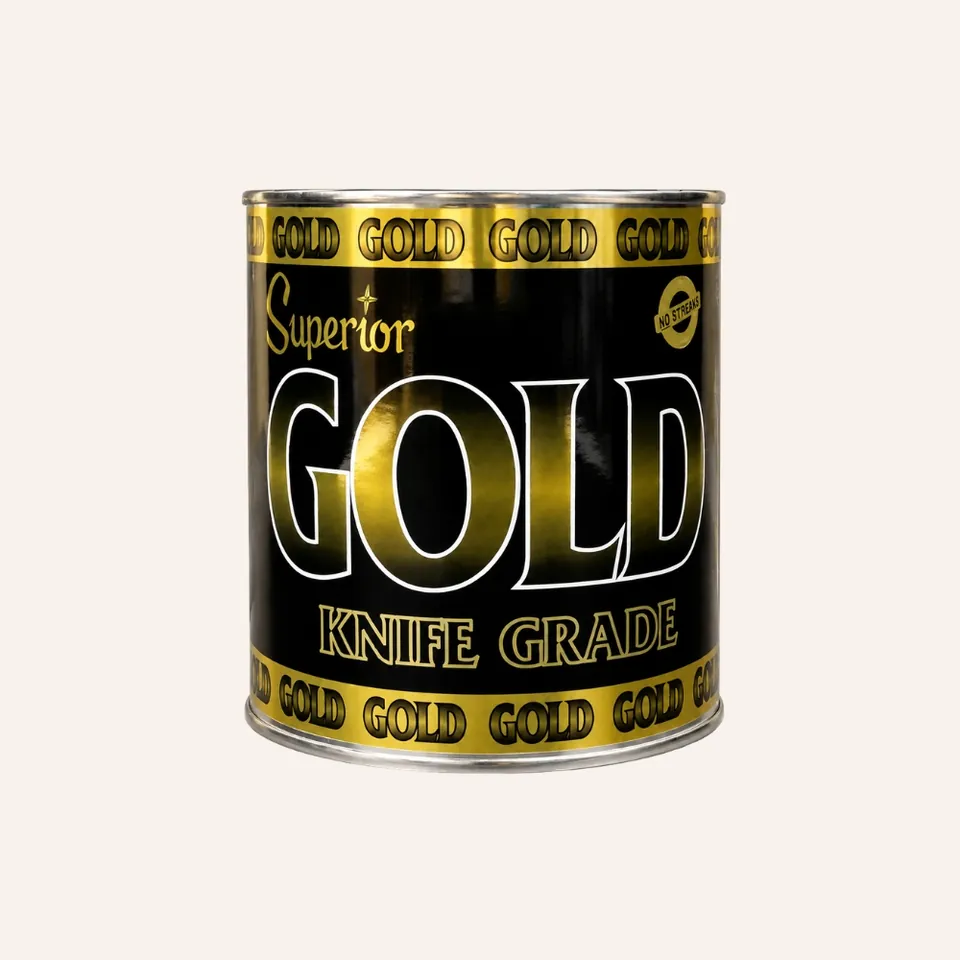
- Knife grade is thick and stays where you put it. Use it for lamination, vertical joints and filling larger gaps.
- Flowing or liquid grade runs into cracks, pits and fissures. Use it for repairs and for filling natural voids in stone.
Laminating edges
- Make sure both surfaces are clean, dry and free of slurry and dust.
- Lightly scuff smooth surfaces so the adhesive has something to grip.
- Mix the adhesive with hardener at the manufacturer's ratio, and tint to match the stone.
- Apply evenly, bring the pieces together and clamp firmly and squarely.
- Remove squeeze-out before it fully cures, which is far easier than grinding it off later.
- Allow full cure before profiling and polishing the edge.
Making seams disappear
- Dry fit first and keep the seam gap as tight and even as the material allows.
- Colour match against the stone surface, ideally wet, since polished stone looks darker than a dry offcut.
- Use a seam setter to pull the pieces together and keep the surfaces level.
- Scrape the cured adhesive flush with a razor blade, then lightly polish if needed.
Repairing cracks, chips and pits
- Clean out the damaged area and make sure it is completely dry. Moisture prevents a good bond.
- Use a flowing epoxy for cracks and pits, tinted or clear depending on the stone.
- Slightly overfill so the adhesive stands proud of the surface.
- After curing, scrape flush with a razor blade and polish the area to blend with the surface.
Mounting undermount sinks
Undermount sinks are typically installed with a strong adhesive combined with mechanical clips or brackets. Epoxy is a common choice because of its strength and water resistance. Follow the sink manufacturer's installation instructions and do not rely on adhesive alone where clips are specified.
Colour matching tips
- Start with a base colour close to the stone, then add small amounts of pigment.
- Test on an offcut and compare it with the polished surface.
- Many granites need a match to the darkest or dominant colour in the pattern, not the average.
- Test light marbles and light quartz carefully, since some adhesives can show through or discolour light material.
Working in a cold Canadian shop
Adhesives cure slower in cold conditions, and some will not cure properly below the manufacturer's minimum temperature. In winter, store adhesives at room temperature, let slabs warm up before bonding and check the product's temperature range. A joint that cures in minutes in summer may take far longer in a cold shop.
Mixing and safety
- Always follow the manufacturer's hardener ratio. Too much or too little hardener can weaken the bond or discolour the joint.
- Mix only what you can use within the working time.
- Work with good ventilation, especially with polyester products, and wear gloves and eye protection.
- Read the safety data sheet for every product you use.
Frequently asked questions
Is epoxy or polyester better for granite lamination?
Both are used. Polyester is fast and easy to tint, which suits everyday lamination. Epoxy offers higher strength and water resistance for demanding joints.
What adhesive is best for quartz seams?
Many fabricators use colour-matched acrylic seam adhesives for quartz because they set quickly and bond strongly. Follow the quartz manufacturer's recommendations.
Why is my adhesive not curing?
The usual causes are cold temperatures, the wrong hardener ratio or old product. Warm the work area and materials, check the ratio and check the product's shelf life.
Can I fix a chipped granite edge myself?
Yes. Small chips can be filled with a tinted epoxy, scraped flush after curing and polished to blend with the edge.
Find the right adhesive
Browse our stone adhesives and polishing pads, or read our guide on granite vs quartz vs marble fabrication. Request a quote.