Granite vs Quartz vs Marble: How Each Behaves in the Fabrication Shop
By Devgon Industries ·
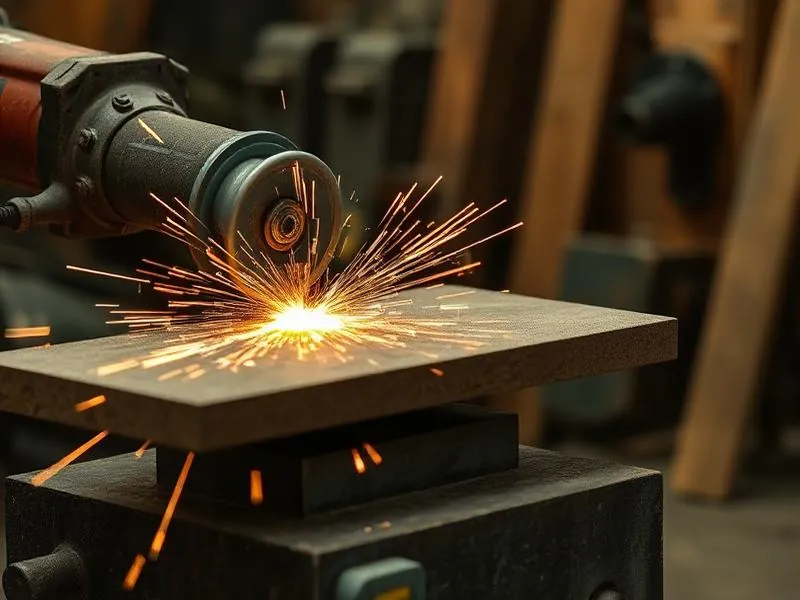
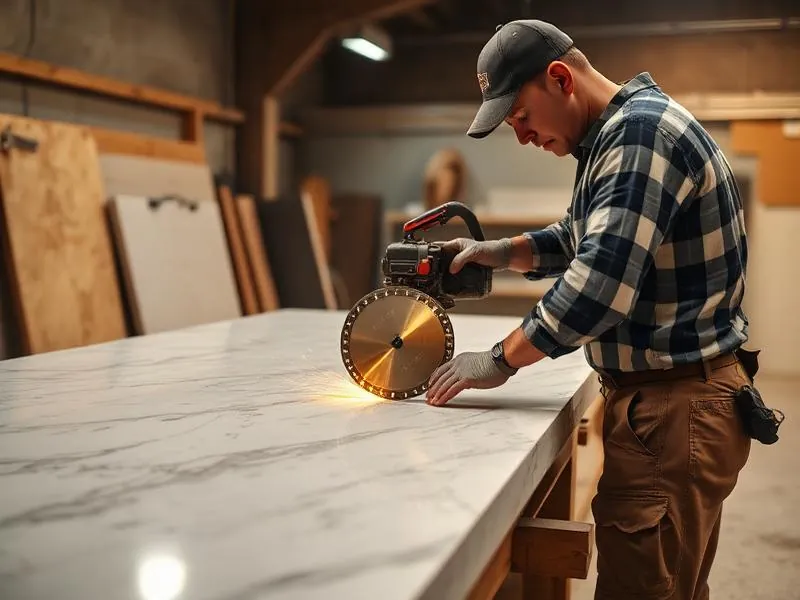
Most Canadian countertop shops cut granite, engineered quartz and marble every week. Running all three with the same blade, the same feed and the same polishing routine wastes tooling and produces inconsistent results. Each material has its own strengths and its own failure points.
This guide compares the three from a fabricator's point of view, so you can set up the right tooling and process for each.
What each material is
Granite
Granite is a natural igneous stone made mostly of feldspar and quartz minerals. It is hard and moderately abrasive. Many granite slabs are resin treated at the factory to fill natural pits and micro-fissures.
Engineered quartz
Engineered quartz is crushed quartz bound with polymer resin and pigments. It is consistent from slab to slab, but the resin makes it sensitive to heat during fabrication.
Marble
Marble is a natural metamorphic stone made mostly of calcite. It is much softer than granite, cuts easily, and is sensitive to acids, which etch its surface.
A note on quartzite: natural quartzite is not the same as engineered quartz. It is a very hard natural stone and is often harder to cut than granite.
Side-by-side comparison
| Granite | Engineered quartz | Marble | |
|---|---|---|---|
| Hardness | Hard | Hard | Soft |
| Main fabrication risk | Glazing tools, fissures | Heat burning the resin | Chipping at veins, scratching, etching |
| Blade bond | Softer bond | Blade made for engineered stone | Harder bond |
| Feed speed | Moderate | Moderate with strong water flow | Can be faster, with care at veins |
| Polishing | Full grit sequence | Match factory sheen, low heat | Polishes quickly, often finished with compound |
| Crystalline silica | Present, varies by stone | Very high | Low |
Cutting
Granite
Use a soft-to-medium bond blade so fresh diamond keeps getting exposed. If a blade glazes on a particular granite, switch to a softer bond or dress it. Watch for natural fissures, which can open during cutting. See our granite saw blades and bridge saw blade guide.
Engineered quartz
Use a blade made for engineered stone, maintain strong water flow and do not force the feed. Heat is the main enemy. Burn marks and edge chipping usually trace back to low water, a dull blade or too much feed.
Marble
Marble cuts quickly but wears soft bond blades fast, so a harder bond blade lasts much longer. Slow down through heavy veining and fissures, where marble is most likely to chip or break. Many marble slabs are mesh-backed for support and should be handled carefully.
Edge profiling
All three can be profiled with router tooling or CNC profile wheels. Granite is the most demanding on tooling life. Quartz needs controlled heat. Marble profiles easily but its edges chip more readily at veins, so use a steady, moderate feed. Confirm any router or CNC tool’s material rating and machine compatibility before use; these collections currently have no listed products.
Polishing
Granite
Granite usually needs the full polishing pad sequence, from shaping grits through to the final polish and buff. Read our polishing grit sequence guide.
Engineered quartz
Quartz edges are polished to match the factory surface. Use plenty of water, moderate speed and light pressure to avoid discolouring the resin.
Marble
Marble scratches easily but polishes quickly. Use lighter pressure and less time at each grit. Many fabricators finish marble with a polishing powder or compound to bring up full gloss. Avoid acidic products, which etch marble.
Seams, lamination and repairs
All three are commonly seamed and laminated with stone adhesives and colour-matched epoxy or polyester products. Always test colour match on an offcut first, especially on light marbles and light quartz where an adhesive can show through or discolour the edge. See our stone epoxy and adhesives.
Silica safety
Engineered quartz is especially high in crystalline silica, granite contains varying amounts, and marble contains far less. All three still produce hazardous dust when cut, ground or polished. Wet methods, dust control, regular cleanup and proper respiratory protection are essential. Follow your provincial occupational health and safety requirements.
Frequently asked questions
Can I use the same blade for granite, quartz and marble?
You can, but you will compromise. A granite blade wears quickly on marble, and quartz benefits from a blade made for engineered stone. Shops that cut all three regularly get better results and lower cost per cut with dedicated blades.
Which is easiest to fabricate?
Engineered quartz is generally the most predictable because it is consistent from slab to slab. Marble is easy to cut but less forgiving to handle and polish. Granite is the hardest on tooling.
Why do my marble edges chip?
Marble chips most at veins and fissures. Slow the feed through these areas, use a sharp blade with a suitable bond and support the slab fully.
Is quartzite cut like quartz?
No. Natural quartzite is cut more like a very hard granite and often needs a softer bond or premium blade.
Tool up for every stone
Browse our granite and natural stone saw blades, bridge saw blades, polishing pads and stone adhesives. Compare the exact product’s listed materials and machine requirements before selecting tooling. Contact us with any questions. Request a quote.