Bridge Saw Blades: A Fabricator's Guide to Choosing and Running Them
By Devgon Industries ·
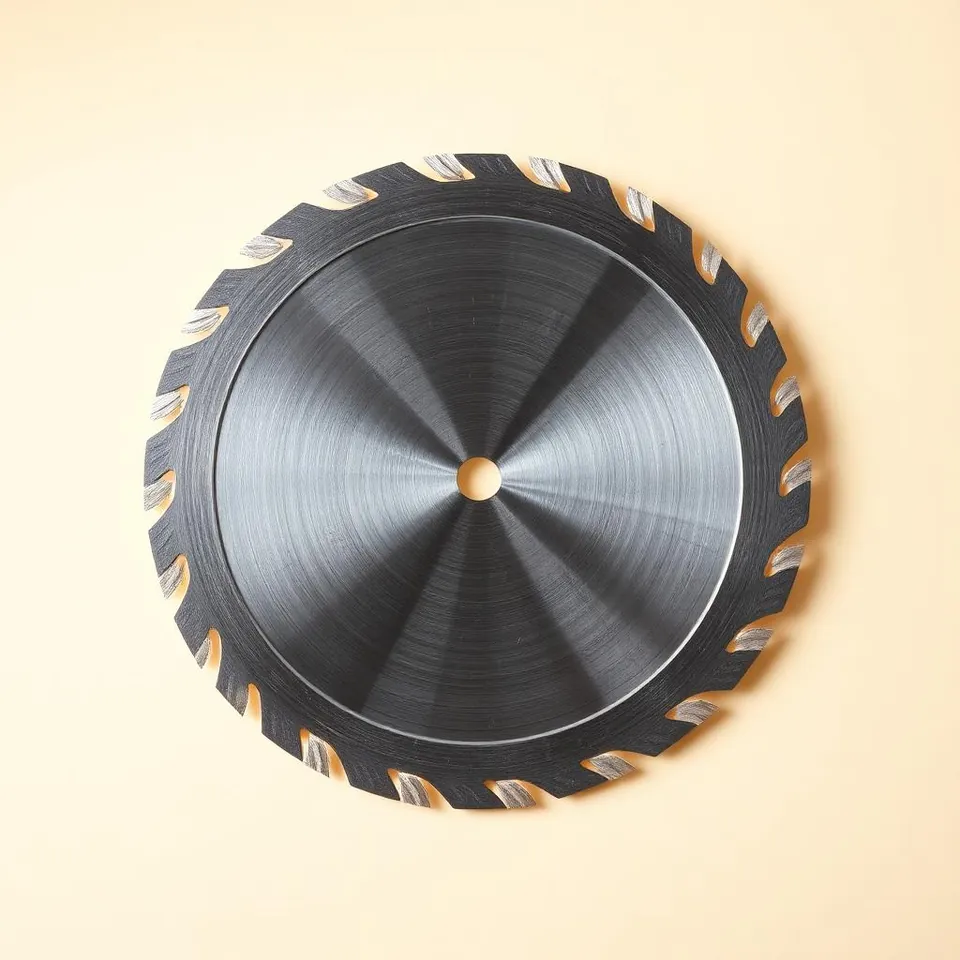
In a countertop shop, the bridge saw blade touches almost every job. A blade that cuts straight, stays sharp and leaves a clean edge keeps slabs moving. A blade that wanders, chips or glazes costs you material, polishing time and remakes.
This guide covers how fabricators choose bridge saw blades by size, construction and material, and the running habits that make a blade last.
Start with your saw: size and arbor
- Diameter: most bridge saws run 14 or 16 inch blades. Larger 18 inch and up blades are used for thicker material and block cutting. Your saw's guard and motor determine the maximum size.
- Arbor: 50 mm and 60 mm are the most common bridge saw arbors. Some saws use other sizes, so always check the spindle before ordering.
- Maximum RPM: never run a blade above the RPM printed on it.
- Rotation: mount the blade so the arrow on it matches the spindle rotation.
What separates one bridge saw blade from another
Segment height
Taller diamond segments contain more usable diamond, so they generally cut for longer before the blade is worn out. Compare segment height, not only price, when judging value.
Bond hardness
The bond is the metal that holds the diamonds. Hard, dense stone like granite needs a softer bond that wears away and exposes fresh diamond. Softer stone like marble needs a harder bond so the blade does not wear too quickly. The wrong bond is the most common reason a blade glazes or wears out early.
Silent core
Silent core blades have a layer of damping material inside the steel core. They are significantly quieter and vibrate less, which many shops value for operator comfort and smoother cuts.
Rim and segment design
Segmented blades with gullets cool well and cut granite and quartz efficiently. Porcelain and ultra-compact surfaces need a continuous rim or very fine segment design to avoid chipping.
Choosing a blade by material
Granite
A soft-to-medium bond segmented blade is the standard granite blade. Very hard exotic granites and quartzite often need a softer bond or premium blade to keep cutting freely.
Engineered quartz
Quartz contains polymer resin that is sensitive to heat. Use a blade made for engineered stone, maintain strong water flow, and do not push the feed. Dull blades and low water are the usual causes of burn marks and edge chipping on quartz.
Marble and limestone
These softer stones need a harder bond blade. A granite blade will cut marble, but it will wear far faster than it should.
Porcelain slabs and Dekton
Porcelain and ultra-compact surfaces are hard, brittle and can carry internal tension from manufacturing. Use a blade designed specifically for these materials, reduce feed speed at the start and end of each cut, and make sure the slab is fully supported on a flat, clean table. Many fabricators also make relief cuts before cutting out sinks and inside corners to reduce cracking. See our porcelain blades and cutting blades for Dekton.
Running habits that make blades last
- Water first: bridge saw blades are designed for wet cutting. Check water flow before every cut and clear blocked nozzles.
- Clean flanges: grit or damage on the flanges causes wobble and wavy cuts. Clean them every blade change.
- Match feed to material: slow down for quartz, porcelain and Dekton. Forcing the feed generates heat and chipping.
- Open a new or glazed blade: if a blade starts cutting slowly or feels smooth, make a few cuts in a dressing stone or abrasive block to expose fresh diamond.
- Dedicate blades: shops cutting granite and quartz daily often keep a separate blade for each to get the best life from both.
When to replace a bridge saw blade
Replace the blade when segments are worn close to the core, when segments are cracked or missing, or when the blade will not cut straight even after dressing and flange checks. A missing or cracked segment is a safety issue. Stop using the blade immediately.
Silica safety in the fabrication shop
Cutting engineered quartz, granite and porcelain releases respirable crystalline silica. Engineered quartz is particularly high in silica. Wet cutting, good ventilation, regular cleaning and proper respiratory protection protect your team. Follow your provincial occupational health and safety requirements for silica exposure.
Frequently asked questions
What size bridge saw blade do I need?
Most bridge saws use 14 or 16 inch blades on a 50 mm or 60 mm arbor. Check your saw manual or the current blade before ordering.
Why is my bridge saw cutting crooked?
The common causes are a glazed or dull blade, dirty or damaged flanges, feeding too fast, or uneven segment wear. Dress the blade, clean the flanges and slow the feed. If it still wanders, the blade may need replacing.
Can I use the same bridge saw blade for granite and quartz?
Many shops do, but dedicated blades usually perform better. Granite needs a softer bond, while quartz benefits from a blade designed for engineered stone and its resin content.
Is a silent core blade worth it?
For shops running saws all day, yes for many fabricators. Silent core blades reduce noise and vibration, which helps operator comfort and cut quality.
Find the right bridge saw blade
Browse our bridge saw blades and natural stone tooling, or read our guide on how to choose the right diamond blade. Compare the exact product’s listed materials and machine requirements before selecting tooling. Contact us with any questions. Request a quote.