CNC Tooling for Stone Countertops: A Buyer's Guide
By Devgon Industries ·
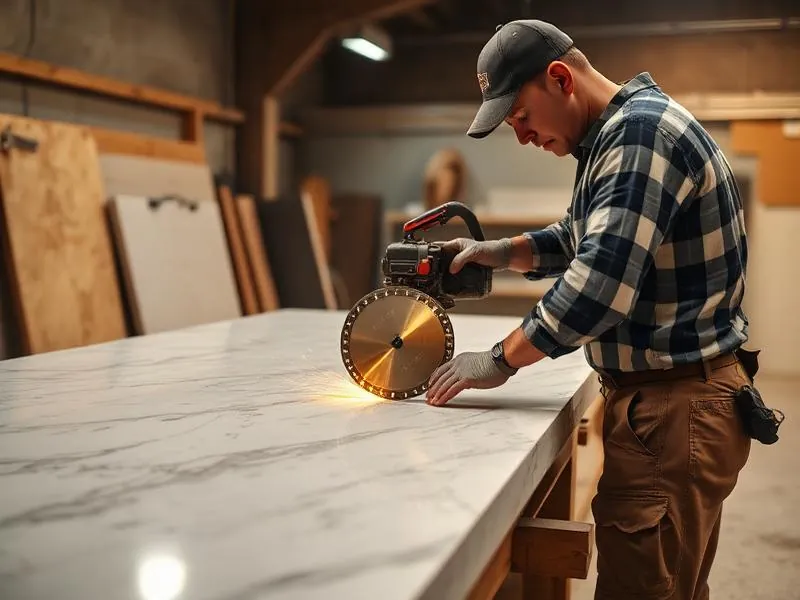
A CNC stone router turns a countertop shop into a production line, but only when the tooling is right. The wrong profile wheel, a worn finger bit or a mismatched connection stalls jobs, damages edges and wastes slabs.
This guide covers the main types of CNC stone tooling, how to choose them by material and profile, and the habits that keep them cutting.
The main types of CNC stone tooling
| Tool | What it does |
|---|---|
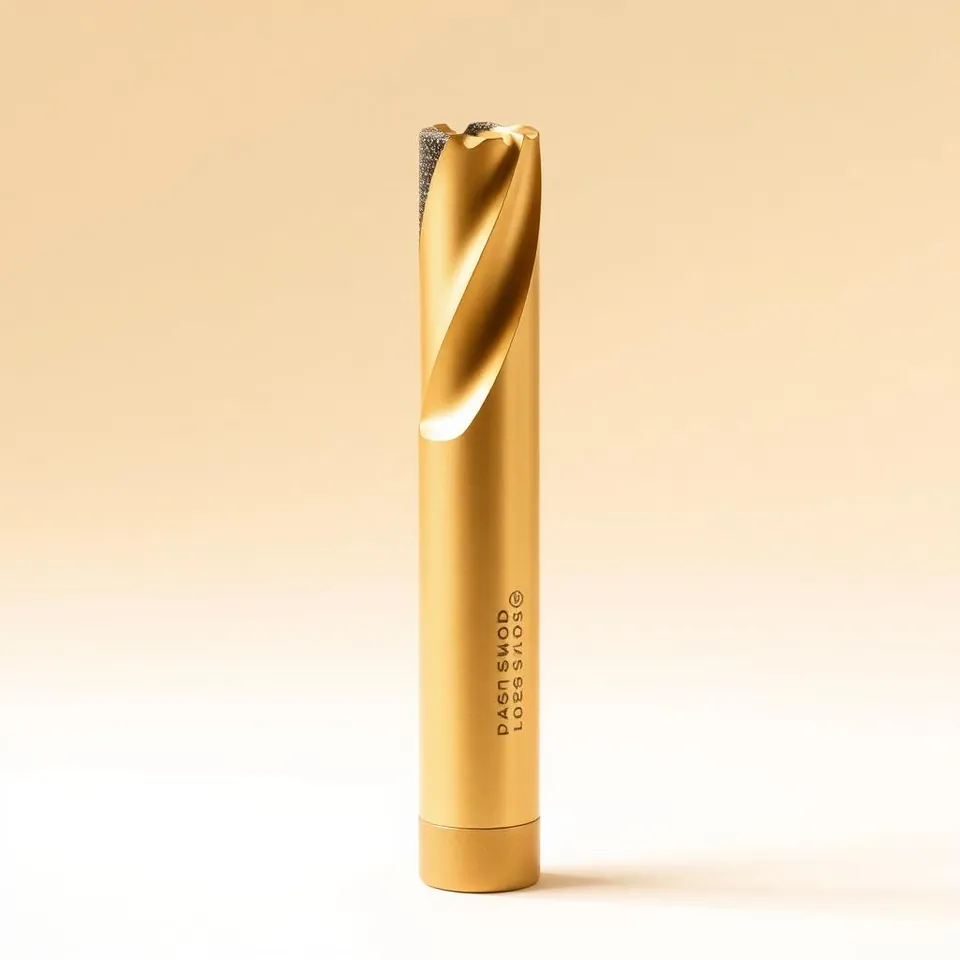
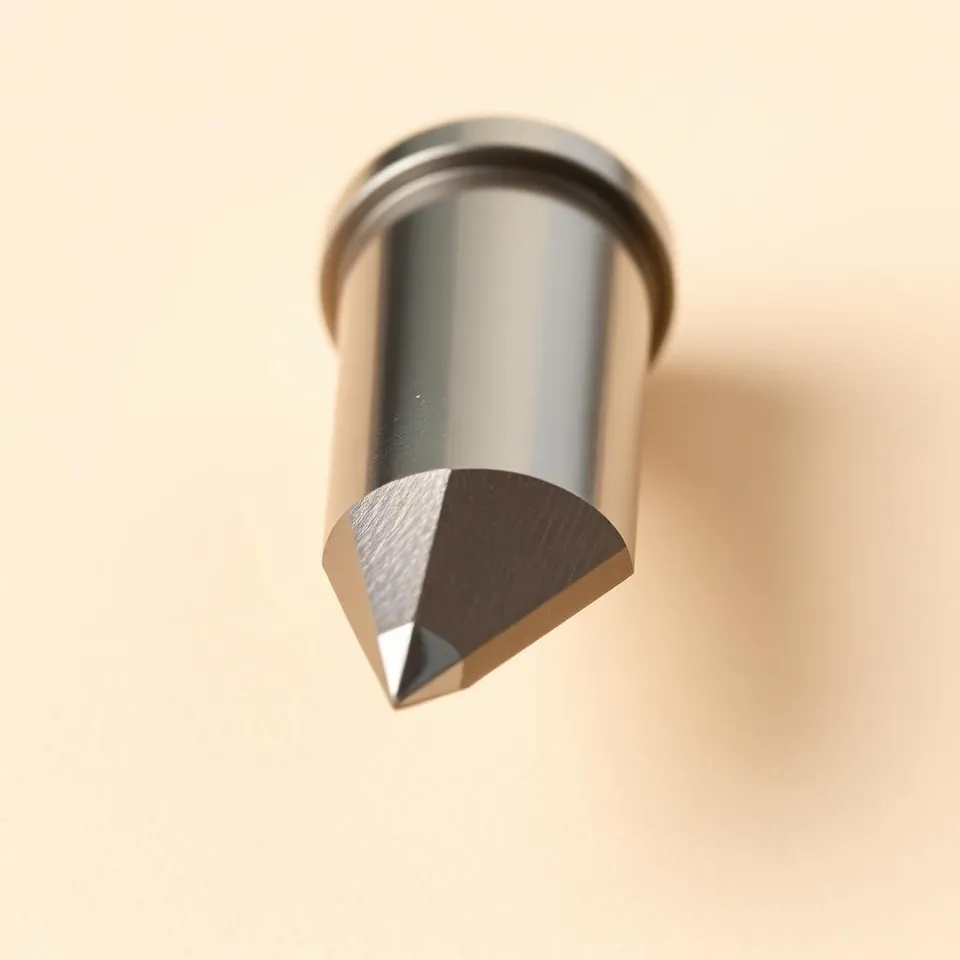
| Finger bits / router bits | Cut sink and cooktop openings, inside corners and shapes |
| Core drills | Drill faucet holes and start holes for cutouts |
| Profile wheels | Shape the edge: eased, bevel, half bullnose, full bullnose, ogee |
| Calibrating and squaring wheels | Flatten and square edges before profiling |
| Polishing wheels | Polish the shaped edge through a grit sequence |
| Grooving and drip edge tools | Cut drainboard grooves, drip edges and recesses |
Choosing tooling by material
Granite and quartzite
Granite is hard and abrasive. Metal bond diamond tooling with a bond suited to hard stone keeps exposing fresh diamond. Very hard granites and quartzite may need a softer bond tool to keep cutting freely.
Engineered quartz
Quartz machines well, but its resin is sensitive to heat. Use tooling made for engineered stone, keep strong water flow and follow the recommended speed and feed to avoid burned or discoloured edges.
Marble
Marble is softer and less abrasive, so tooling with a harder bond lasts longer. It also polishes quickly.
Porcelain and ultra-compact surfaces
Porcelain and Dekton need tooling rated for these materials and reduced feed rates to prevent chipping. A CNC is a real advantage here because it cuts consistent radius corners on sink cutouts, which reduces cracking. Read our Dekton vs porcelain vs quartz guide.
Match the profile to the slab
Profile wheels are made for specific slab thicknesses. A full bullnose wheel for a 3 cm slab will not produce a correct profile on a 2 cm slab. Confirm the thickness you cut most, including any laminated build-up, before ordering. Keep the profile wheel and its polishing wheels from the same profile family so each step fits the shape left by the one before.
Confirm your machine connection
Stone CNC machines use different spindle and tool holder systems, and a tool that does not match your machine cannot be used. Before ordering, confirm your machine's connection type and the tool holders you use, and check the tool's maximum RPM. If you are unsure, confirm compatibility with the machine and tool manufacturers before ordering.
Run tooling wet and at the right settings
- Water: stone CNC tooling is designed for wet operation. Check water flow to the tool before every job, including centre water feed where your machine has it.
- Speed and feed: follow the tool manufacturer's recommended RPM and feed for each material. Too fast generates heat and chipping. Too slow can glaze metal bond tools.
- Tool length and offsets: re-measure tool offsets after every tool change so profiles stay consistent.
Habits that extend tool life
- Keep holders and connections clean. Grit on threads or tapers causes runout and uneven profiles.
- Dress glazed tools. If a metal bond tool slows down, dress it on a dressing stone to expose fresh diamond.
- Inspect regularly. Check for missing or cracked segments and uneven wear. Damaged tools should be removed from service.
- Store tools properly. Keep them in racks or cases so diamond edges are not knocked or chipped.
Tool life depends on the material, water flow, speed and feed, so track how your tools perform on the materials you cut most and use that to plan replacements.
Troubleshooting CNC edge problems
| Problem | Likely cause | Fix |
|---|---|---|
| Chipping on porcelain or Dekton edges | Feed too fast or tool not rated for the material | Reduce feed and use ultra-compact rated tooling |
| Burn marks on quartz | Heat from low water or dull tool | Increase water flow and dress or replace the tool |
| Uneven or wavy profile | Runout, dirty holder or wrong offset | Clean the connection and re-measure offsets |
| Tool slows down | Glazed metal bond | Dress on a dressing stone |
Silica safety
CNC machining of stone, quartz and porcelain generates fine silica dust and slurry. Wet operation, regular cleanup of slurry before it dries, good ventilation and proper respiratory protection protect your team. Follow your provincial occupational health and safety requirements.
Frequently asked questions
What CNC tools do I need to start fabricating countertops?
Most shops start with core drills, finger bits for cutouts, profile wheels for their most common edges, and the matching polishing wheels. Add calibrating wheels and grooving tools as your work requires.
Can I use granite CNC tooling on porcelain?
It is not recommended. Granite tooling is too aggressive for porcelain and causes chipping. Use tooling rated for porcelain and ultra-compact surfaces.
How do I know which tool connection my machine uses?
Check your machine manual and existing tool holders, then compare the connection, dimensions and operating limits with the specific tool’s specifications before ordering.
Why are my CNC edges burning on quartz?
Usually low water flow, a dull tool or too much speed. Check water to the tool, dress or replace the tool and follow the recommended settings.
Find the right CNC tooling
No CNC or router tooling products are currently listed. Browse our core bits and polishing pads, checking each model’s machine and material ratings, or read our polishing grit sequence guide. Compare the exact product’s listed materials and machine requirements before selecting tooling. Contact us with any questions. Request a quote.