Why Your Diamond Blade Stopped Cutting: Glazing Explained and Fixed
By Devgon Industries ·
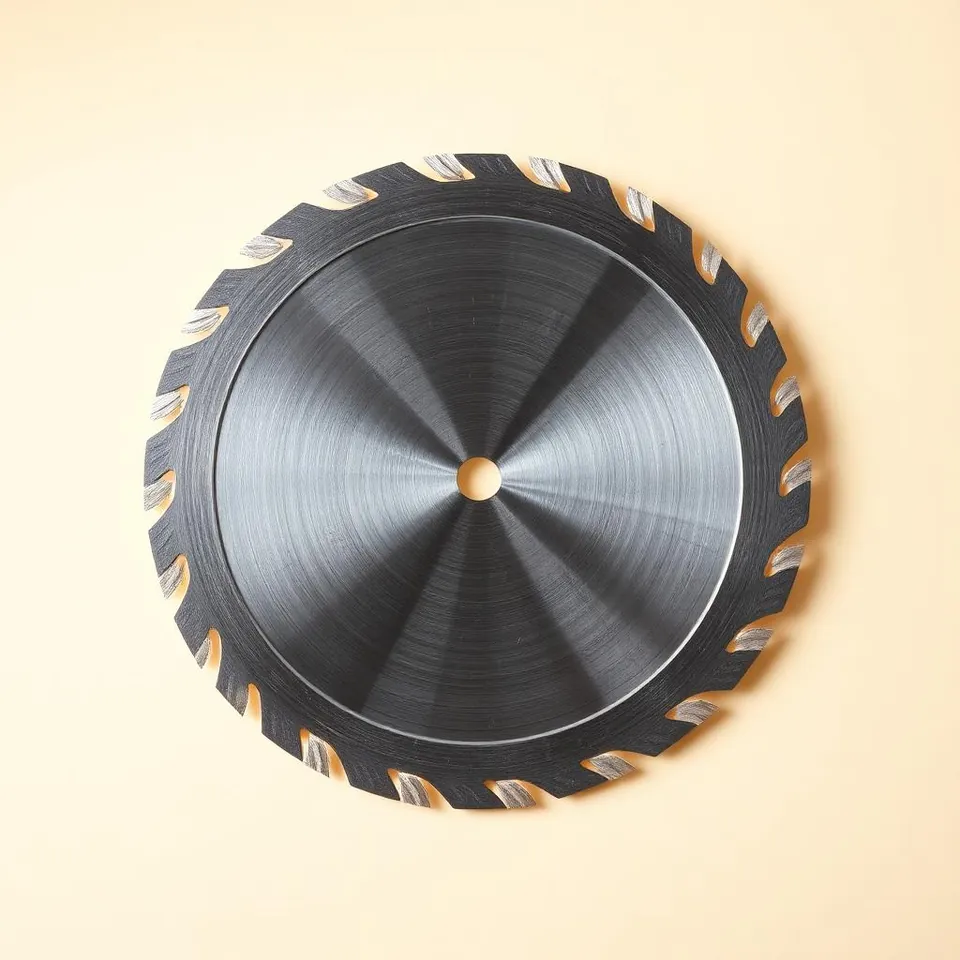
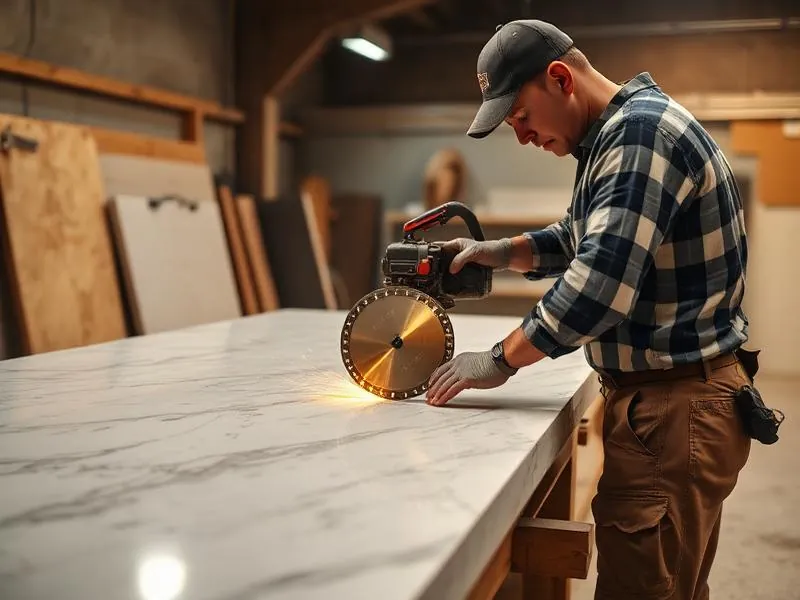
One of the most common complaints about diamond blades is that a blade with plenty of segment left suddenly stops cutting. It slows down, throws more sparks, rides on top of the material and gets hot. In most cases the blade is not worn out. It has glazed, and a glazed blade can usually be brought back in minutes.
What glazing actually is
A diamond blade cuts with diamond crystals held in a metal bond. As the blade works, the material being cut wears away the bond and exposes fresh, sharp diamonds while the old ones wear flat and fall out.
Glazing happens when that cycle stops. The bond does not wear away fast enough, the exposed diamonds wear smooth, and the segment surface becomes polished. The blade is now rubbing instead of cutting.
How to tell if your blade is glazed
- Cutting speed drops sharply even though segments still have height.
- More sparks or more noise than usual.
- The blade wants to ride up on the material instead of biting in.
- The blade or the material gets noticeably hot.
- The segment edges look shiny and smooth rather than rough and gritty.
Glazed, worn out or damaged?
| Condition | What you see | What to do |
|---|---|---|
| Glazed | Segment height left, smooth shiny segments, slow cutting | Dress the blade |
| Worn out | Segments worn down close to the core | Replace the blade |
| Overheated | Blue or discoloured core, wobble or warping | Stop using and replace |
| Damaged | Cracked or missing segments, cracked core | Stop immediately and replace |
Why blades glaze
- Bond too hard for the material. The most common cause. Hard, dense materials such as granite, porcelain, quartzite and hard aggregate concrete do not wear the bond enough on a hard bond blade.
- Too little feed pressure. Riding the blade lightly polishes the diamonds instead of letting them cut.
- Not enough water. Heat accelerates glazing and can damage the blade.
- Underpowered or wrong-speed tool. A saw that bogs down or runs outside the blade's intended speed range can polish the segments.
- Material with low abrasiveness. Very dense materials with little grit to wear the bond.
How to fix a glazed blade: dressing
Dressing means cutting into an abrasive material that wears away the polished bond and exposes fresh diamond.
- Use a proper dressing stone made of silicon carbide or aluminum oxide. For concrete blades, a cinder block or soft abrasive block also works.
- Make several normal cuts straight into the dressing material, using water if the blade is a wet blade.
- Continue until the blade cuts freely and the segment surface looks rough again.
- Return to your normal material and check that cutting speed has recovered.
Important: dress by cutting into the stone, never by grinding with the side of the blade. Side loading a cutting blade can crack the core or throw segments.
Porcelain and ultra-compact blades glaze often, so many fabricators dress them routinely, not only when cutting slows.
Quartz: glazing or loading?
On engineered quartz, slow cutting can also come from resin building up on the segments, called loading. It looks like a dull coating rather than a polished shine. The fix is the same: dress the blade, and increase water flow to keep resin flushed away.
How to stop glazing from coming back
- Match the bond to the material. If a blade glazes repeatedly on the same material, switch to a softer bond. Read our guide on choosing the right diamond blade.
- Use steady, firm feed. Let the blade work at a consistent pressure rather than skimming the surface.
- Keep water flowing on wet blades and clear blocked nozzles.
- Use the right tool with enough power for the blade size and material.
- Dress early. A quick dress at the first sign of slowing is easier than recovering a badly glazed blade.
Frequently asked questions
Can a glazed diamond blade be fixed?
Usually yes. Dressing on an abrasive stone or block restores cutting speed in most cases. If the blade glazes again quickly, the bond is too hard for the material.
How often should I dress my blade?
Whenever cutting speed drops noticeably. For porcelain, Dekton and hard granite, many fabricators dress at regular intervals as part of their routine.
Is a glazed blade dangerous?
A glazed blade generates more heat and tempts operators to force the cut, which increases the risk of damage and kickback. Dress it rather than pushing harder.
Why does my new blade not cut well at first?
Some new blades need a few cuts in an abrasive material to open the segments and expose diamond. Dressing a new blade before use often fixes this.
Need a blade that suits your material?
Browse our professional diamond blades, bridge saw blades, diamond porcelain cutting blades and cutting blades for concrete. Compare the exact product’s listed materials and machine requirements before selecting tooling. Contact us with any questions. Request a quote.