Diamond Grinding Cup Wheels: Single Row, Double Row, Turbo and PCD Compared
By Devgon Industries ·
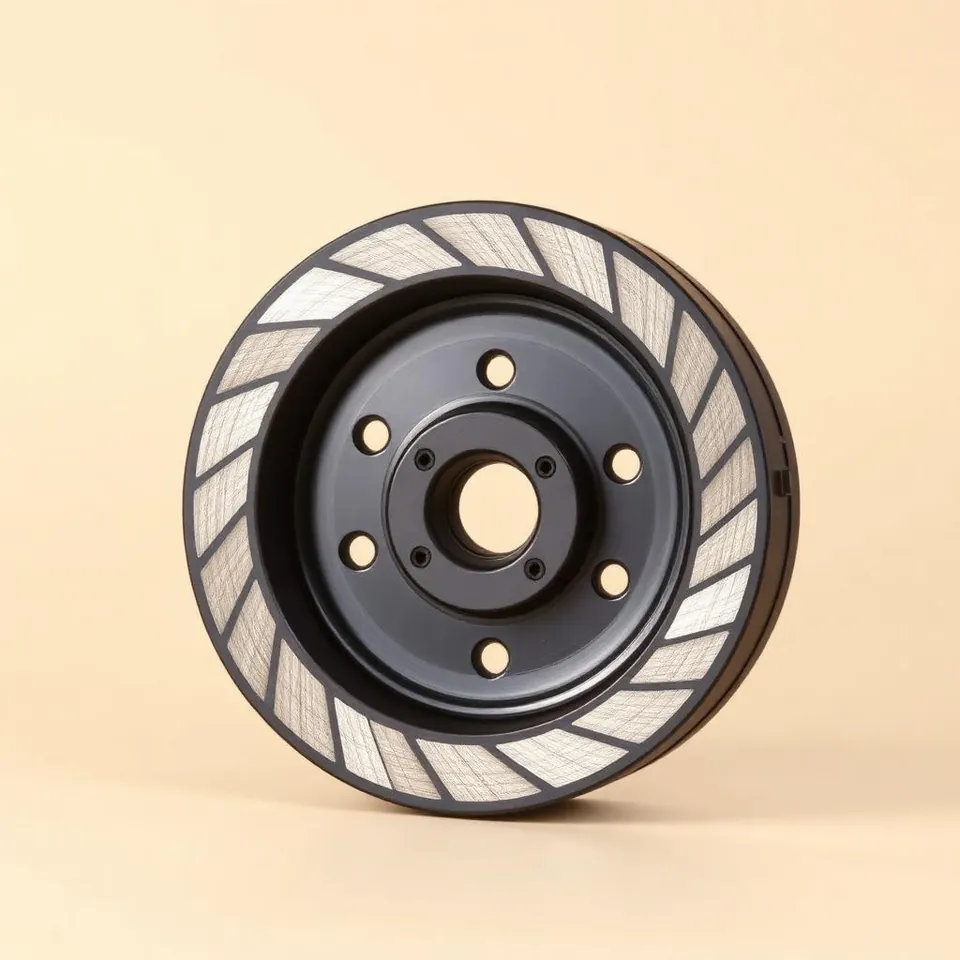
Diamond grinding cup wheels do the heavy lifting in surface preparation. Contractors use them to level concrete, remove coatings and adhesives, and prepare floors. Stone fabricators use them to shape edges, remove lippage and rough out profiles. But cup wheels are not interchangeable, and picking the wrong type wastes time and tooling.
This guide compares the main cup wheel designs and explains how to match them to the job.
Cup wheel types compared
| Type | Removal speed | Finish | Best for |
|---|---|---|---|
| Single row | Fast, aggressive | Rough | Heavy material removal, levelling high spots, thick concrete prep |
| Double row | Moderate to fast | Smoother | General concrete grinding, longer life, stone shaping |
| Turbo | Moderate | Smoothest | Stone edge shaping, finishing, granite and marble work |
| Arrow segment | Very fast | Rough | Aggressive levelling and thin coating removal |
| PCD | Fast on coatings | Not for finishing | Epoxy, paint, mastic, glue and thick coatings |
Single row
Fewer segments mean each one bites harder into the surface. Single row cup wheels remove material quickly but leave a rougher surface and can be harder to control. They suit heavy levelling and rough preparation.
Double row
Two rows of segments spread the load, so the wheel runs smoother, vibrates less and generally lasts longer. Double row cups are the go-to general purpose choice for many contractors.
Turbo
A continuous turbo rim gives a smoother finish and more control. Turbo cups are popular with stone fabricators for shaping granite and marble edges and removing lippage between slabs.
Arrow segment
Arrow-shaped segments are designed for very aggressive cutting. They level uneven concrete quickly and break through thin coatings, at the cost of a rough finish.
PCD cup wheels
Polycrystalline diamond (PCD) segments scrape and shear coatings rather than grinding them. Standard cup wheels gum up and glaze on epoxy, paint, mastic and glue, while PCD cuts through without clogging. Use PCD for coatings, then switch to a standard cup wheel for the concrete underneath.
Choose the right bond for concrete
The same bond rule that applies to blades applies to cup wheels:
- Hard concrete needs a softer bond so the segments keep exposing fresh diamond.
- Soft or abrasive concrete needs a harder bond so the segments do not wear away too quickly.
If a cup wheel glazes and stops cutting, the bond is too hard. If it wears out rapidly, the bond is too soft.
Sizes and mounting
- 4 to 5 inch cup wheels suit standard angle grinders and are the most common for edges and smaller areas.
- 7 inch cup wheels cover more area on larger grinders and are common for floor preparation with a dust shroud.
- Mounting: many North American cup wheels use a 5/8-11 threaded hub that screws directly onto the grinder spindle. Others use a 7/8 inch arbor with a flange nut. Confirm your grinder's spindle before ordering.
- Speed: never exceed the maximum RPM marked on the cup wheel.
Grinding technique
- Keep the cup flat on the surface. Tilting it onto its edge gouges the surface and wears segments unevenly.
- Keep moving in steady, overlapping passes to avoid dips.
- Let the wheel work. Excess pressure creates heat, vibration and glazing.
- Use a dust shroud connected to a suitable vacuum when grinding dry.
- Keep guards and shrouds in place as specified for the tool.
Troubleshooting
| Problem | Likely cause | Fix |
|---|---|---|
| Wheel stops cutting | Glazing, bond too hard | Dress on abrasive material or switch to a softer bond |
| Wheel clogs with coating | Standard segments on epoxy, paint or mastic | Use a PCD cup wheel for coatings |
| Segments wear very fast | Bond too soft for abrasive concrete | Use a harder bond |
| Strong vibration | Uneven segment wear, tilting or damage | Inspect the wheel, keep it flat, replace if damaged |
| Gouges in the surface | Tilting the cup or staying in one spot | Keep the wheel flat and moving |
Dust and silica
Grinding concrete and stone produces large amounts of respirable crystalline silica dust. Use a dust shroud with a suitable vacuum or wet methods where practical, plus proper respiratory protection. Follow your provincial occupational health and safety requirements.
Frequently asked questions
Which is better, single row or double row?
Single row removes material faster but leaves a rougher surface. Double row runs smoother and usually lasts longer. For general concrete grinding, double row is the most versatile choice.
What cup wheel removes epoxy coatings?
A PCD cup wheel. It shears through epoxy, paint and mastic without clogging, where standard diamond cups gum up.
Can I use a concrete cup wheel on granite?
It will grind granite, but turbo cups designed for stone usually give better control and a smoother finish for fabrication work.
Why does my cup wheel vibrate?
Common causes are uneven segment wear from tilting, a damaged wheel or a wheel that is not seated properly. Inspect it and replace it if any segment is damaged.
Find the right cup wheel
Browse our diamond grinding cups, concrete tooling and polishing pads, or read our guide on choosing concrete blades. Request a quote.